Welcome to Dongmakgol (2005): Innocence in a World at War

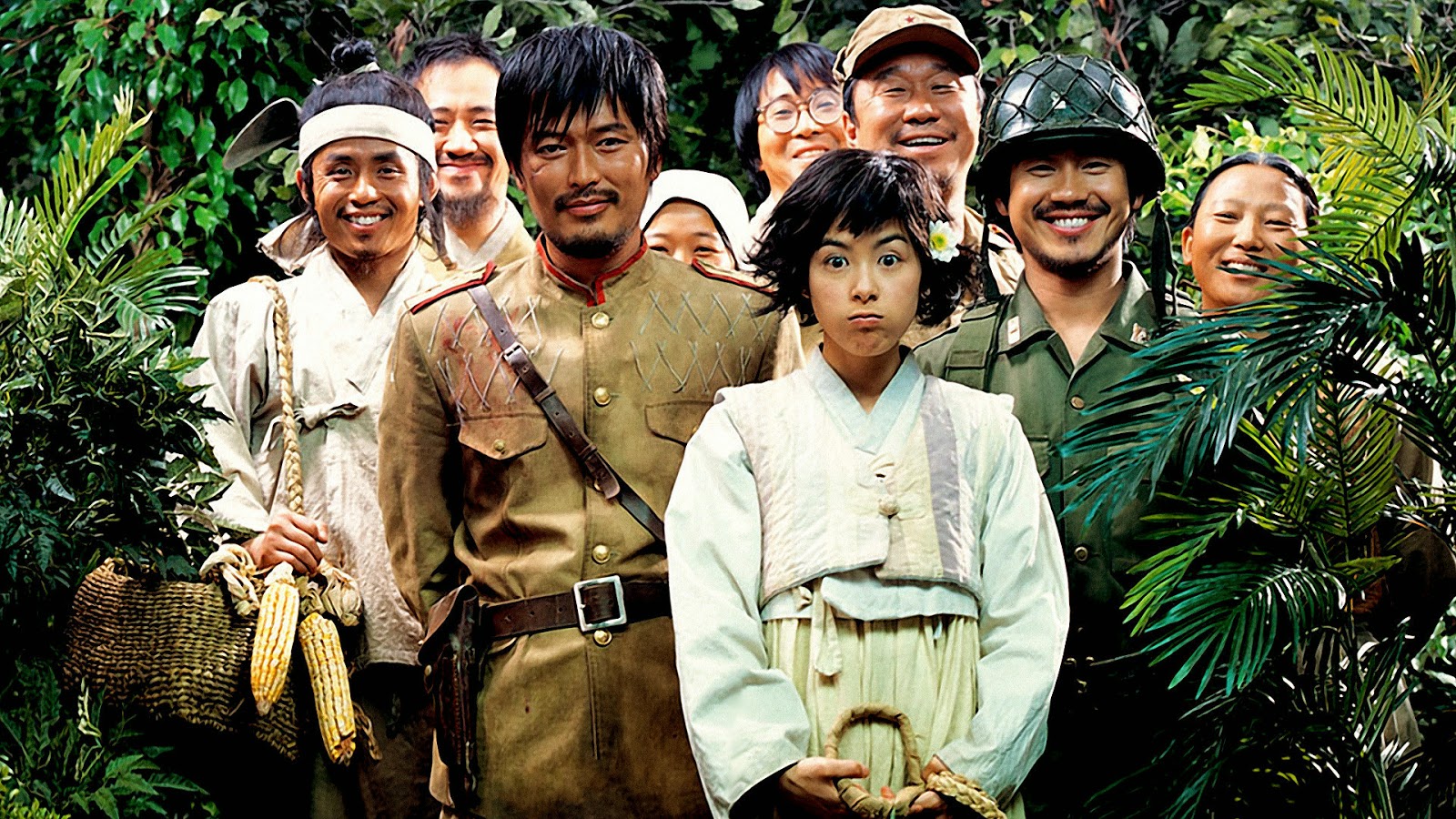
quebec-oui.org – “Welcome to Dongmakgol” (Korean: 웰컴 투 동막골), released in 2005, is a South Korean war comedy-drama film directed by Park Kwang-hyun. Set during the Korean War, the film tells the unlikely story of soldiers from both sides, along with a downed American pilot, who find themselves stranded in the secluded village of Dongmakgol. This remote village, untouched by the ravages of war, becomes a sanctuary where these enemies are forced to confront their shared humanity and the absurdity of conflict.

Dongmakgol: A World Untouched by War

Dongmakgol is a remote mountain village, cut off from the outside world and its conflicts. The villagers live a simple, agrarian lifestyle, seemingly unaware of the ongoing war. This isolation creates a stark contrast with the realities of the war raging outside, highlighting the destructive nature of conflict and the enduring power of innocence.

Unlikely Encounters: Soldiers from Opposing Sides

The film’s central premise revolves around the unexpected arrival of soldiers from both the South Korean and North Korean armies, as well as a stranded American pilot, in Dongmakgol. These enemies, initially driven by suspicion and hostility, are gradually forced to interact with each other and the villagers.

The Villagers of Dongmakgol: Embodiments of Innocence and Simplicity

The villagers of Dongmakgol are portrayed as simple, kind-hearted people who have never experienced the horrors of war. Their innocence and genuine hospitality have a profound impact on the soldiers, challenging their preconceived notions about the enemy and forcing them to confront their own humanity.

From Hostility to Understanding: A Journey of Transformation

The initial interactions between the soldiers are marked by tension and mistrust. However, as they spend more time in Dongmakgol and interact with the villagers, they begin to shed their animosity and recognize their shared humanity. The film portrays a gradual transformation, as these former enemies find common ground and even develop a sense of camaraderie.

Themes of War, Peace, and Human Connection

“Welcome to Dongmakgol” explores several poignant themes:

  • The Absurdity of War: The film effectively portrays the absurdity of war, highlighting the senseless violence and the arbitrary divisions that separate people. The contrast between the peaceful life in Dongmakgol and the brutal realities of the war outside underscores the futility of conflict.
  • The Power of Human Connection: The film emphasizes the importance of human connection and the ability of empathy to bridge even the deepest divides. The interactions between the soldiers and the villagers demonstrate the power of shared experiences and genuine human interaction to overcome prejudice and hostility.
  • Innocence and the Loss of Innocence: The film explores the theme of innocence and the devastating impact of war on the human spirit. The villagers of Dongmakgol represent a state of innocence that is threatened by the arrival of the war.

A Blend of Comedy, Drama, and Heartfelt Emotion

“Welcome to Dongmakgol” successfully blends elements of comedy, drama, and heartfelt emotion. The film’s comedic moments arise from the culture clash between the soldiers and the villagers, as well as the soldiers’ attempts to adapt to their new surroundings. However, the film also explores deeper themes of loss, trauma, and the human cost of war, creating a balanced and emotionally resonant experience.

A Critically Acclaimed and Beloved Film

“Welcome to Dongmakgol” was a critical and commercial success in South Korea, receiving numerous awards and becoming a beloved film for its heartwarming story and powerful message.

A Timeless Message of Peace and Understanding

“Welcome to Dongmakgol” remains a powerful and moving film, appreciated for its unique perspective on the Korean War and its timeless message of peace and understanding. The film’s portrayal of human connection and the absurdity of conflict continues to resonate with audiences, making it a significant contribution to Korean cinema. It serves as a gentle reminder of the shared humanity that binds us all, even in the midst of conflict.
Torn Curtain: A Defection Behind the Iron Curtain

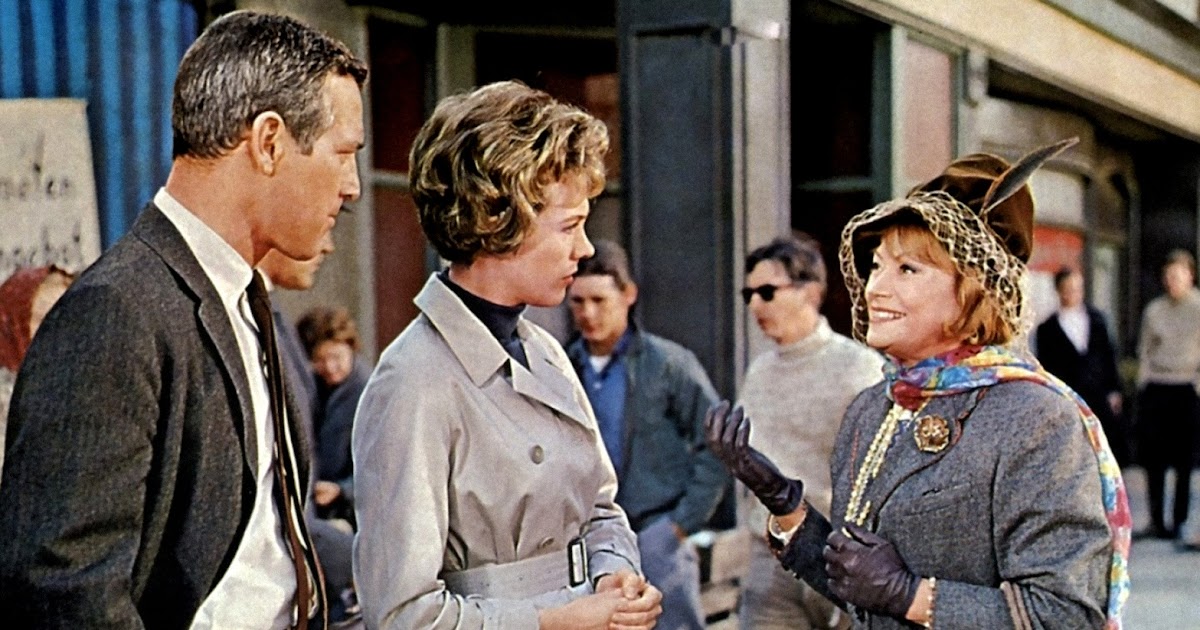
quebec-oui.org – Alfred Hitchcock’s Torn Curtain is a suspenseful Cold War thriller that follows the story of Michael Armstrong, a brilliant American scientist played by Paul Newman. The film delves into the complexities of espionage, international intrigue, and the blurred lines between East and West.   

When Michael appears to defect to East Germany during a scientific conference in Copenhagen, his fiancée, Sarah Sherman (Julie Andrews), is left bewildered and heartbroken. However, Sarah soon discovers that Michael’s defection is a carefully orchestrated plan to steal a top-secret formula from the Soviet Union.   

A Dangerous Game of Cat and Mouse

As Michael navigates the treacherous landscape of East Germany, he faces a series of perilous challenges. He must evade the watchful eyes of the Stasi, the East German secret police, while also avoiding detection by Soviet agents. Sarah, determined to help her lover, follows him behind the Iron Curtain, risking her own life to uncover the truth.

The film explores themes of trust, betrayal, and the moral ambiguities of the Cold War. Michael’s decision to defect, though seemingly reckless, is driven by a higher purpose: to prevent the Soviets from acquiring a powerful weapon. As he delves deeper into the dangerous world of espionage, he must confront the consequences of his actions and the potential loss of everything he holds dear.

A Hitchcockian Masterpiece

Torn Curtain is a classic Hitchcock film, filled with suspense, intrigue, and unexpected twists. The film’s stunning cinematography captures the bleak beauty of the Cold War era, while the tense score heightens the suspense.   

Although Torn Curtain may not be as widely acclaimed as some of Hitchcock’s other films, it remains a fascinating and thought-provoking piece of cinematic history. The film’s exploration of moral dilemmas and the human cost of the Cold War is still relevant today.

The Secret War: Covert Operations Throughout History

quebec-oui.org – History is replete with tales of covert operations that have shaped the course of nations and empires. These secret wars, fought in the shadows, have often had as much impact as their overt counterparts. From ancient espionage to modern cyber warfare, the art of the covert operation has evolved, yet its essence remains unchanged: to achieve strategic objectives through clandestine means. This article explores some of the most notable covert operations throughout history, shedding light on the hidden battles that have influenced the world as we know it.

Ancient Espionage: The Roots of Covert Operations

The practice of espionage is as old as civilization itself. In ancient times, spies were used to gather intelligence, sow discord among enemies, and execute covert attacks. One of the earliest recorded instances of espionage can be traced back to the Trojan War, where the Greeks used the Trojan Horse to infiltrate the city of Troy. Similarly, in ancient China, the art of espionage was codified in Sun Tzu’s “The Art of War,” which emphasized the importance of intelligence and deception in warfare.

Medieval Intrigue: The Rise of Secret Societies

During the Middle Ages, secret societies and orders played a significant role in the political and religious landscape. Groups like the Knights Templar and the Assassins were involved in covert activities that ranged from protecting pilgrims to engaging in political assassinations. These organizations operated in secrecy, wielding considerable power and influence behind the scenes.

The Age of Empires: Colonial Espionage and Sabotage

As European powers expanded their empires, covert operations became a crucial tool in maintaining control over distant territories. Espionage and sabotage were used to undermine rival colonies, suppress indigenous uprisings, and secure trade routes. The British East India Company, for example, employed a network of spies to gather intelligence and influence local rulers in India.

World Wars and the Birth of Modern Espionage

The World Wars brought about a significant evolution in covert operations. Both World War I and World War II saw extensive use of espionage, counter-espionage, and covert sabotage. The establishment of intelligence agencies such as the British Secret Intelligence Service (MI6) and the American Office of Strategic Services (OSS, the precursor to the CIA) marked the beginning of modern espionage. Operations like the breaking of the Enigma code and the D-Day deception plans demonstrated the critical role of covert operations in achieving military objectives.

The Cold War: An Era of Espionage and Propaganda

The Cold War was a golden age for espionage, with the United States and the Soviet Union engaging in a clandestine battle for global influence. Spy networks, propaganda campaigns, and covert actions were the norm, with notable incidents such as the U-2 incident, the Bay of Pigs invasion, and the Cuban Missile Crisis highlighting the high stakes of covert operations during this period.

Modern Covert Operations: Cyber Warfare and Beyond

In the 21st century, covert operations have taken on new forms, with cyber warfare emerging as a dominant arena. Nations now engage in cyber espionage, cyber sabotage, and information warfare, using digital means to achieve strategic objectives. The Stuxnet malware, which targeted Iran’s nuclear program, is a prime example of how cyber weapons have become a critical component of modern covert operations.

Conclusion

The secret war of covert operations has been a constant thread throughout history, adapting to the changing geopolitical landscape. From ancient espionage to modern cyber warfare, these clandestine activities have played a pivotal role in shaping the world. As technology continues to advance, the nature of covert operations will undoubtedly evolve, but their significance in the realm of international relations and conflict will remain undiminished.

NATO’s Strategic Importance in the Post-Cold War Era

quebec-oui.org – The North Atlantic Treaty Organization (NATO) has played a pivotal role in maintaining security and stability in Europe and beyond since its inception in 1949. The end of the Cold War in 1991 marked a significant shift in NATO’s strategic focus and operations. This article explores NATO’s strategic importance in the post-Cold War era, examining its evolution, expansion, and adaptation to new security challenges.

Evolution of NATO’s Strategic Concept

From Deterrence to Cooperative Security

After the Cold War, NATO was reconceived as a “cooperative-security” organization. Its primary objectives shifted from deterring Soviet aggression to fostering dialogue and cooperation with former adversaries in the Warsaw Pact and managing conflicts in areas on the European periphery, such as the Balkans. This shift was formalized through the establishment of the North Atlantic Cooperation Council (later replaced by the Euro-Atlantic Partnership Council) and the Partnership for Peace (PfP) program.

Military Interventions and Peacekeeping

NATO’s first use of military force in the post-Cold War era was during the Bosnian War in 1995, when it staged air strikes against Bosnian Serb positions around Sarajevo. This intervention led to the Dayton Accords and the deployment of NATO peacekeeping troops in the region. Similarly, NATO’s intervention in Kosovo in 1999, aimed at protecting the Albanian population, further solidified its role in conflict management and peacekeeping.

NATO Expansion and Its Implications

Gradual Expansion into Eastern Europe

During the presidency of Bill Clinton, the United States led an initiative to gradually expand NATO membership to include former Soviet allies. This expansion was driven by the desire to integrate these states into regional political and economic institutions such as the EU, and to provide security guarantees to newly democratic regimes. However, this expansion was not without controversy, as it was seen as a provocation by Russia and raised concerns about the cost of modernizing the military forces of new members.

The Role of the United States

The United States played a crucial role in NATO’s post-Cold War strategy, both in terms of leadership and resource commitment. The U.S. vision for NATO’s future included the idea of a broader alliance that could address a wider range of security challenges, from terrorism to cyber threats. This vision was reflected in NATO’s evolving posture, which emphasized mobility, flexibility, and agility.

NATO’s Adaptation to New Security Challenges

Posture and Capabilities

The post-Cold War era saw NATO adapting to new security challenges by developing a more flexible and agile posture. This included the ability to fight off terrorists, train local forces, and engage in humanitarian missions. NATO’s strategic concept, as outlined in the Lisbon Strategic Concept, crystallized the alliance’s experience in the post-Cold War period and emphasized the need for a comprehensive approach to security.

Naval Presence and Power Projection

One of the critical areas of adaptation was NATO’s naval presence and power projection capabilities. The post-Cold War era saw a reduction in NATO’s naval activities in the North Atlantic, which has since been revisited to address new security challenges in the region.

Conclusion

NATO’s strategic importance in the post-Cold War era has been characterized by its evolution from a Cold War-era deterrence organization to a cooperative-security alliance. Through military interventions, peacekeeping missions, and gradual expansion, NATO has adapted to new security challenges and continues to play a vital role in maintaining stability and security in Europe and beyond. The alliance’s ability to evolve and address emerging threats underscores its enduring relevance in the modern security landscape.

The Great War and Its Aftermath: World War I

quebec-oui.org – World War I, also known as the Great War, was a global conflict that lasted from July 28, 1914, to November 11, 1918. It was one of the deadliest conflicts in history, involving many of the world’s great powers, organized into two opposing alliances: the Allies (based around the Triple Entente of France, Russia, and the United Kingdom) and the Central Powers (principally Germany, Austria-Hungary, and the Ottoman Empire). The war’s immediate cause was the assassination of Archduke Franz Ferdinand of Austria, but the underlying causes were more complex, involving imperialistic expansion, military buildup, and nationalistic fervor.

The Course of the War

Early Battles and Stalemate

The war began with a series of rapid movements and battles, but soon settled into a bloody stalemate on the Western Front, characterized by trench warfare. The Eastern Front saw more movement but also massive casualties. Both sides used new technologies, including machine guns, tanks, and poison gas, which increased the lethality of the conflict.

Turning Points

The entry of the United States into the war in 1917, following the German announcement of unrestricted submarine warfare, tipped the balance in favor of the Allies. The Russian Revolution of 1917 led to Russia’s withdrawal from the war, allowing the Allies to focus their efforts on the Western Front.

The End of the War

The war ended with the Armistice of November 11, 1918. The Central Powers were defeated, and the Treaty of Versailles was signed in 1919, officially ending the war. The treaty imposed heavy reparations and territorial losses on Germany, setting the stage for future conflicts.

The Aftermath

Political Changes

The war led to significant political changes, including the collapse of four empires: the German, Austro-Hungarian, Ottoman, and Russian. New nations were formed in Eastern Europe, and the League of Nations was established in an attempt to prevent future conflicts.

Economic Impact

The war had a devastating economic impact, with massive debt and inflation affecting many of the participating countries. The United States emerged as a world financial leader, while Europe struggled to rebuild.

Social and Cultural Changes

Socially and culturally, the war had profound effects. It led to a loss of innocence and a questioning of traditional values. The war also accelerated the role of women in the workforce and society, as they took on jobs traditionally held by men.

The Legacy of World War I

The Great War left a lasting legacy, shaping the 20th century in profound ways. It led to the rise of totalitarian regimes and set the stage for World War II. The war also marked the beginning of modern warfare, with its use of advanced technology and its massive scale of destruction.

Conclusion

World War I was a pivotal event in world history, reshaping the political, economic, and social landscape. Its aftermath was felt for decades, influencing international relations and leading to significant changes in the global order. As we look back on the centennial of this conflict, it is important to remember the sacrifices made and the lessons learned, in hopes of preventing such a catastrophic event from occurring again.

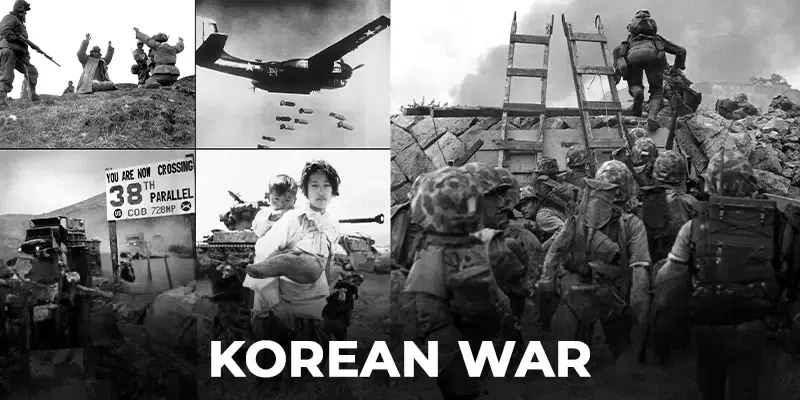
A Conflict That Shaped a Nation: Korean War

quebec-oui.org – The Korean War, a pivotal conflict of the 20th century, erupted when the Korean Peninsula was split into two ideologically opposed states following the end of World War II. This war, which lasted from 1950 to 1953, was not just a military confrontation but a crucible that shaped the destiny of Korea and had far-reaching implications for global geopolitics. It was a war that saw the United Nations intervene for the first time in a military conflict, pitting the North, supported by China and the Soviet Union, against the South, backed by the United States and its allies.

The Origins of the Conflict

The roots of the Korean War can be traced back to the end of Japanese occupation in 1945, which led to the peninsula being divided along the 38th parallel. The North was occupied by Soviet forces and established a communist government under Kim Il-sung, while the South, occupied by American forces, became a capitalist state under Syngman Rhee. Both leaders claimed sovereignty over the entire peninsula, leading to increasing tensions and skirmishes along the border.

The Outbreak of War

On June 25, 1950, North Korean forces crossed the 38th parallel, swiftly overrunning South Korean defenses and capturing Seoul. The United Nations, led by the United States, intervened to support South Korea, while China and the Soviet Union backed North Korea. The conflict escalated into a global confrontation, with both sides committing massive military resources.

The Impact on Korea and the World

The Korean War had a profound impact on Korea, physically transforming the landscape and causing immense human suffering. Millions of Koreans were killed or displaced, and the peninsula was devastated by the fighting. However, the war also laid the groundwork for South Korea’s remarkable economic and political transformation in the decades that followed.

Globally, the Korean War solidified the Cold War division of the world into two ideologically opposed blocs. It also marked the beginning of a significant American military presence in Asia, setting the stage for future conflicts in the region.

The Legacy of the War

The Korean War ended with an armistice in 1953, not a peace treaty, leaving the two Koreas technically still at war. The Demilitarized Zone (DMZ) became one of the most heavily fortified borders in the world. Despite periodic tensions and hostilities, there have been efforts at reconciliation and peacebuilding, reflecting the enduring desire for reunification among the Korean people.

The war’s legacy is also evident in the resilience and rapid development of South Korea, which transformed from a war-torn country into one of the world’s leading economies. North Korea, on the other hand, remains isolated and impoverished, with its people suffering under a repressive regime.

Conclusion

The Korean War was a defining moment in modern history, shaping the destiny of Korea and influencing global politics for decades. Its legacy is a reminder of the human cost of conflict and the enduring hope for peace and reunification on the Korean Peninsula. As the world continues to grapple with the challenges of division and conflict, the lessons of the Korean War remain as relevant as ever.