A Conflict That Shaped a Nation: Korean War

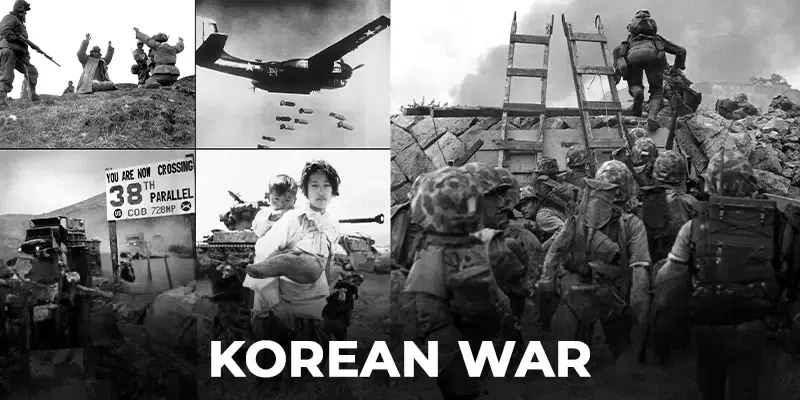
quebec-oui.org – The Korean War, a pivotal conflict of the 20th century, erupted when the Korean Peninsula was split into two ideologically opposed states following the end of World War II. This war, which lasted from 1950 to 1953, was not just a military confrontation but a crucible that shaped the destiny of Korea and had far-reaching implications for global geopolitics. It was a war that saw the United Nations intervene for the first time in a military conflict, pitting the North, supported by China and the Soviet Union, against the South, backed by the United States and its allies.

The Origins of the Conflict

The roots of the Korean War can be traced back to the end of Japanese occupation in 1945, which led to the peninsula being divided along the 38th parallel. The North was occupied by Soviet forces and established a communist government under Kim Il-sung, while the South, occupied by American forces, became a capitalist state under Syngman Rhee. Both leaders claimed sovereignty over the entire peninsula, leading to increasing tensions and skirmishes along the border.

The Outbreak of War

On June 25, 1950, North Korean forces crossed the 38th parallel, swiftly overrunning South Korean defenses and capturing Seoul. The United Nations, led by the United States, intervened to support South Korea, while China and the Soviet Union backed North Korea. The conflict escalated into a global confrontation, with both sides committing massive military resources.

The Impact on Korea and the World

The Korean War had a profound impact on Korea, physically transforming the landscape and causing immense human suffering. Millions of Koreans were killed or displaced, and the peninsula was devastated by the fighting. However, the war also laid the groundwork for South Korea’s remarkable economic and political transformation in the decades that followed.

Globally, the Korean War solidified the Cold War division of the world into two ideologically opposed blocs. It also marked the beginning of a significant American military presence in Asia, setting the stage for future conflicts in the region.

The Legacy of the War

The Korean War ended with an armistice in 1953, not a peace treaty, leaving the two Koreas technically still at war. The Demilitarized Zone (DMZ) became one of the most heavily fortified borders in the world. Despite periodic tensions and hostilities, there have been efforts at reconciliation and peacebuilding, reflecting the enduring desire for reunification among the Korean people.

The war’s legacy is also evident in the resilience and rapid development of South Korea, which transformed from a war-torn country into one of the world’s leading economies. North Korea, on the other hand, remains isolated and impoverished, with its people suffering under a repressive regime.

Conclusion

The Korean War was a defining moment in modern history, shaping the destiny of Korea and influencing global politics for decades. Its legacy is a reminder of the human cost of conflict and the enduring hope for peace and reunification on the Korean Peninsula. As the world continues to grapple with the challenges of division and conflict, the lessons of the Korean War remain as relevant as ever.
Artists Who Shaped Civilization: The Craft of Creation

quebec-oui.org – Throughout history, the creative impulse has been a driving force behind the evolution of human civilization. Artists, with their unique ability to envision and bring forth the extraordinary, have left indelible marks on the societies they inhabited. Their craft, a blend of skill, imagination, and cultural insight, has not only reflected the ethos of their times but has also shaped the course of human development. This article delves into the lives and legacies of some of these pivotal artists, whose creations have not only stood the test of time but have also influenced the trajectory of civilizations.

The Ancient Masters

The roots of artistic expression can be traced back to the dawn of human history. Ancient civilizations like Mesopotamia, Egypt, and the Indus Valley were home to some of the earliest known artists. These anonymous creators left behind monumental works that speak volumes of their craftsmanship and innovation. The Sumerians, for instance, developed the art of cuneiform writing, which was not only a means of communication but also an early form of artistic expression. Similarly, the Egyptian pyramids and the intricate hieroglyphics within them are testaments to the advanced architectural and artistic skills of their creators.

The Classical Era

The classical period, spanning from ancient Greece to the Roman Empire, was a golden age for art and architecture. Artists like Phidias, who crafted the iconic statue of Zeus at Olympia, and Praxiteles, known for his mesmerizing Aphrodite of Knidos, pushed the boundaries of sculpture, creating works that were both realistic and idealistic. The Roman Empire, inheriting much from the Greeks, further developed the arts, with figures like Vitruvius laying down the principles of architecture that would influence generations to come.

The Renaissance Revolution

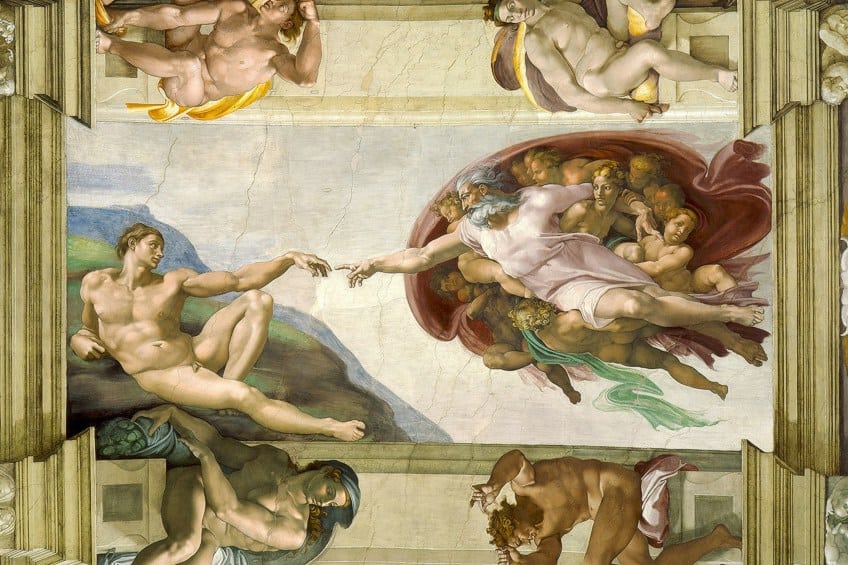
The Renaissance was a period of rebirth, not just in terms of art, but in the way humanity viewed itself and the world. Artists like Leonardo da Vinci, Michelangelo, and Raphael were not just painters and sculptors; they were polymaths whose work in science, engineering, and philosophy was as profound as their artistic creations. Da Vinci’s “Mona Lisa” and “The Last Supper,” Michelangelo’s Sistine Chapel ceiling, and Raphael’s “School of Athens” are not just masterpieces of art; they are symbols of the human spirit’s quest for beauty and understanding.

The Modern Masters

As civilization progressed into the modern era, artists continued to challenge conventions and push the boundaries of their craft. Figures like Pablo Picasso, Vincent van Gogh, and Claude Monet revolutionized the way we perceive art. Picasso’s exploration of cubism, van Gogh’s emotional landscapes, and Monet’s impressionist renderings of light and color were groundbreaking, influencing not just art but also the broader cultural and intellectual movements of their times.

The Legacy

The artists who shaped civilization were not just creators of beautiful objects; they were thinkers, innovators, and visionaries whose works reflected the complexities of their societies and the depths of the human experience. Their legacy is not confined to the museums and galleries that house their creations but is woven into the fabric of human history, inspiring future generations to continue the craft of creation.

In conclusion, the journey through the annals of art history reveals the profound impact of artists on the evolution of civilization. Their works, a testament to human creativity and ingenuity, continue to inspire and provoke, reminding us of the enduring power of art to shape and reflect the world around us.