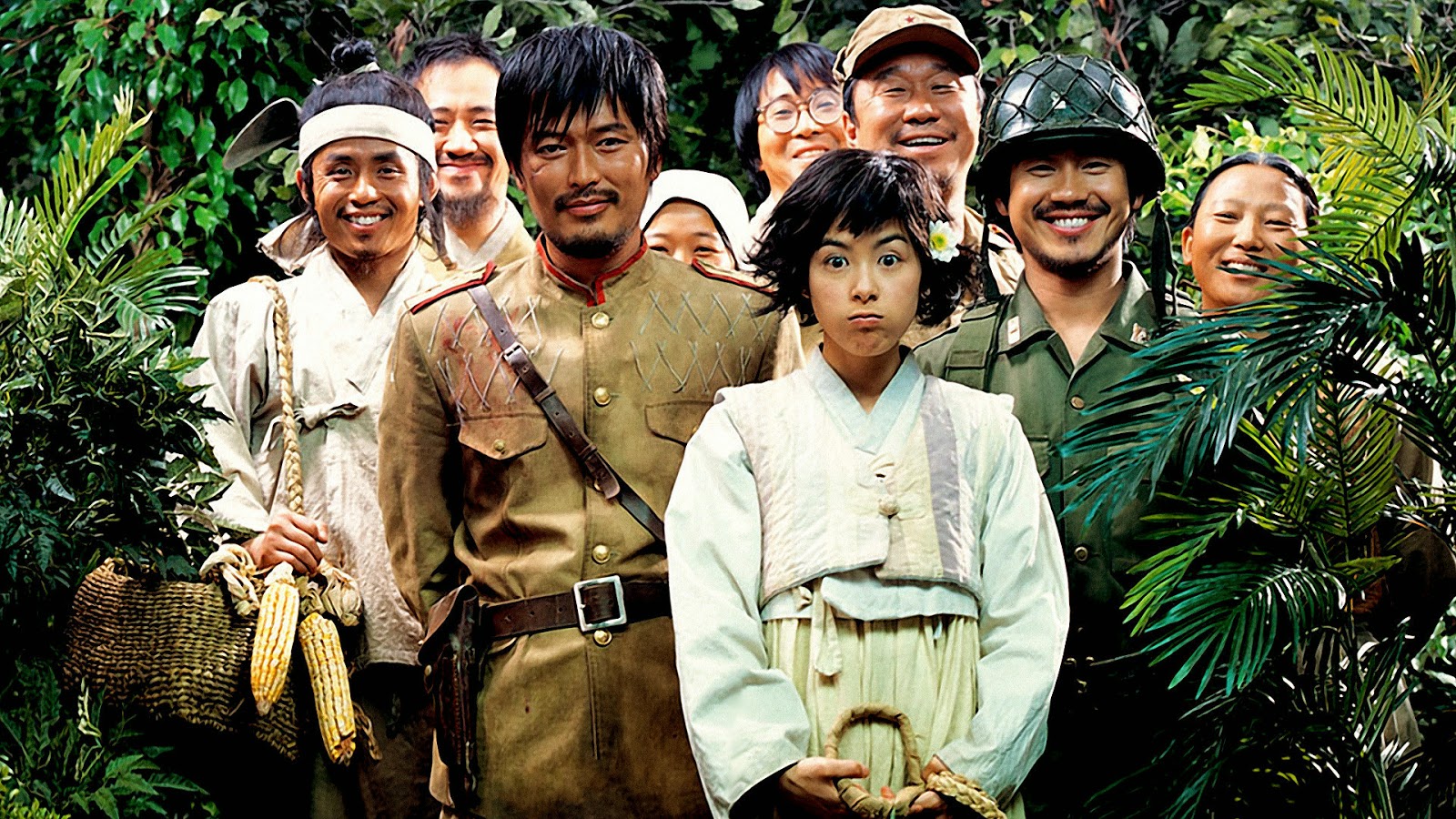
Welcome to Dongmakgol (2005): Innocence in a World at War

quebec-oui.org – “Welcome to Dongmakgol” (Korean: 웰컴 투 동막골), released in 2005, is a South Korean war comedy-drama film directed by Park Kwang-hyun. Set during the Korean War, the film tells the unlikely story of soldiers from both sides, along with a downed American pilot, who find themselves stranded in the secluded village of Dongmakgol. This remote village, untouched by the ravages of war, becomes a sanctuary where these enemies are forced to confront their shared humanity and the absurdity of conflict.

Dongmakgol: A World Untouched by War

Dongmakgol is a remote mountain village, cut off from the outside world and its conflicts. The villagers live a simple, agrarian lifestyle, seemingly unaware of the ongoing war. This isolation creates a stark contrast with the realities of the war raging outside, highlighting the destructive nature of conflict and the enduring power of innocence.

Unlikely Encounters: Soldiers from Opposing Sides

The film’s central premise revolves around the unexpected arrival of soldiers from both the South Korean and North Korean armies, as well as a stranded American pilot, in Dongmakgol. These enemies, initially driven by suspicion and hostility, are gradually forced to interact with each other and the villagers.

The Villagers of Dongmakgol: Embodiments of Innocence and Simplicity

The villagers of Dongmakgol are portrayed as simple, kind-hearted people who have never experienced the horrors of war. Their innocence and genuine hospitality have a profound impact on the soldiers, challenging their preconceived notions about the enemy and forcing them to confront their own humanity.

From Hostility to Understanding: A Journey of Transformation

The initial interactions between the soldiers are marked by tension and mistrust. However, as they spend more time in Dongmakgol and interact with the villagers, they begin to shed their animosity and recognize their shared humanity. The film portrays a gradual transformation, as these former enemies find common ground and even develop a sense of camaraderie.

Themes of War, Peace, and Human Connection

“Welcome to Dongmakgol” explores several poignant themes:

  • The Absurdity of War: The film effectively portrays the absurdity of war, highlighting the senseless violence and the arbitrary divisions that separate people. The contrast between the peaceful life in Dongmakgol and the brutal realities of the war outside underscores the futility of conflict.
  • The Power of Human Connection: The film emphasizes the importance of human connection and the ability of empathy to bridge even the deepest divides. The interactions between the soldiers and the villagers demonstrate the power of shared experiences and genuine human interaction to overcome prejudice and hostility.
  • Innocence and the Loss of Innocence: The film explores the theme of innocence and the devastating impact of war on the human spirit. The villagers of Dongmakgol represent a state of innocence that is threatened by the arrival of the war.

A Blend of Comedy, Drama, and Heartfelt Emotion

“Welcome to Dongmakgol” successfully blends elements of comedy, drama, and heartfelt emotion. The film’s comedic moments arise from the culture clash between the soldiers and the villagers, as well as the soldiers’ attempts to adapt to their new surroundings. However, the film also explores deeper themes of loss, trauma, and the human cost of war, creating a balanced and emotionally resonant experience.

A Critically Acclaimed and Beloved Film

“Welcome to Dongmakgol” was a critical and commercial success in South Korea, receiving numerous awards and becoming a beloved film for its heartwarming story and powerful message.

A Timeless Message of Peace and Understanding

“Welcome to Dongmakgol” remains a powerful and moving film, appreciated for its unique perspective on the Korean War and its timeless message of peace and understanding. The film’s portrayal of human connection and the absurdity of conflict continues to resonate with audiences, making it a significant contribution to Korean cinema. It serves as a gentle reminder of the shared humanity that binds us all, even in the midst of conflict.


The Skeleton Key: A Exploration of Voodoo and the Supernatural

quebec-oui.org – The Skeleton Key (2005) is a supernatural horror film that blends elements of voodoo, Gothic horror, and psychological thriller. The film follows the story of Caroline Ellis (Kate Hudson), a young hospice nurse who takes a job at a mysterious plantation house in the Louisiana bayou. As she delves deeper into the house’s dark history, she becomes entangled in a world of voodoo, black magic, and terrifying secrets.

A Haunting Atmosphere

The film’s atmospheric setting, with its decaying plantation house and eerie bayou, creates a sense of dread and foreboding. The haunting score and the use of shadows and darkness further enhance the film’s suspenseful mood.

A Complex Exploration of Voodoo

The Skeleton Key offers a complex and nuanced exploration of voodoo. The film avoids stereotypes and clichés, instead presenting voodoo as a powerful and spiritual force that can be used for both good and evil. The film’s characters are drawn to the mysteries of voodoo, but they also become entangled in its dangerous power.

A Strong Performance by Kate Hudson

Kate Hudson delivers a strong performance as Caroline Ellis, a woman who is both intelligent and vulnerable. Her portrayal of a character who is drawn to the supernatural, despite the risks, is both compelling and frightening.

A Satisfying Horror Experience

The Skeleton Key is a satisfying horror film that blends suspense, mystery, and supernatural elements. The film’s strong performances, atmospheric setting, and intriguing plot make it a must-watch for fans of the genre.

Conclusion

The Skeleton Key is a haunting and atmospheric horror film that explores the dark side of human nature and the power of the supernatural. Its complex characters, intriguing plot, and stunning visuals make it a memorable and thrilling cinematic experience.

“Janji Joni” (2005): An Indonesian Cinematic Gem

quebec-oui.org – “Janji Joni,” released in 2005, is a delightful Indonesian romantic comedy that combines humor, romance, and a love for cinema. Directed by Joko Anwar, the film tells the story of a young movie projectionist on a quest to fulfill a promise, taking audiences on a charming and entertaining journey. This article explores the film’s plot, themes, and its impact on Indonesian cinema.

Plot Overview

The film follows Joni, a dedicated and passionate movie projectionist in Jakarta. Joni takes immense pride in his job, ensuring that films run smoothly for audiences. His life takes an unexpected turn when he meets Angelique, a beautiful and mysterious woman, who agrees to go on a date with him under one condition: he must deliver film reels on time for her favorite movie screening.

Joni’s task seems simple, but a series of humorous and chaotic events put his promise to the test. From dealing with traffic jams to unexpected detours, Joni’s journey through the city becomes an adventure filled with quirky encounters and personal revelations. As he races against time, Joni learns about the importance of commitment, perseverance, and the magic of cinema.

Cinematic and Thematic Highlights

A Celebration of Cinema

“Janji Joni” is a love letter to the art of filmmaking and the cinematic experience. The film captures the nostalgic charm of traditional movie projection, highlighting the often-overlooked role of projectionists in bringing stories to life. Through Joni’s dedication to his craft, the film pays tribute to the passion and hard work behind the scenes of movie theaters.

Humor and Romance

The film skillfully blends humor and romance, creating a lighthearted and engaging narrative. Joko Anwar’s direction infuses the story with wit and charm, while the performances by Nicholas Saputra as Joni and Mariana Renata as Angelique bring warmth and authenticity to their characters’ budding romance.

Cultural Impact

Critical Acclaim and Popularity

“Janji Joni” received critical acclaim for its inventive storytelling and refreshing approach to romantic comedy. It resonated with audiences in Indonesia, becoming a popular film that showcased the talents of its cast and crew. The movie’s success contributed to Joko Anwar’s reputation as one of Indonesia’s leading filmmakers.

Influence on Indonesian Filmmaking

The film’s unique blend of comedy, romance, and homage to cinema inspired a new wave of Indonesian filmmakers to explore creative storytelling techniques. It encouraged directors to experiment with genre and narrative, helping to diversify the landscape of Indonesian cinema.

Conclusion

“Janji Joni” is a delightful film that captures the essence of romance and the magic of movies. With its charming characters, humorous plot, and heartfelt tribute to cinema, it remains a beloved classic in Indonesian film history. Whether you’re a fan of romantic comedies or simply appreciate the art of filmmaking, “Janji Joni” offers an enjoyable and memorable cinematic experience that continues to resonate with audiences.