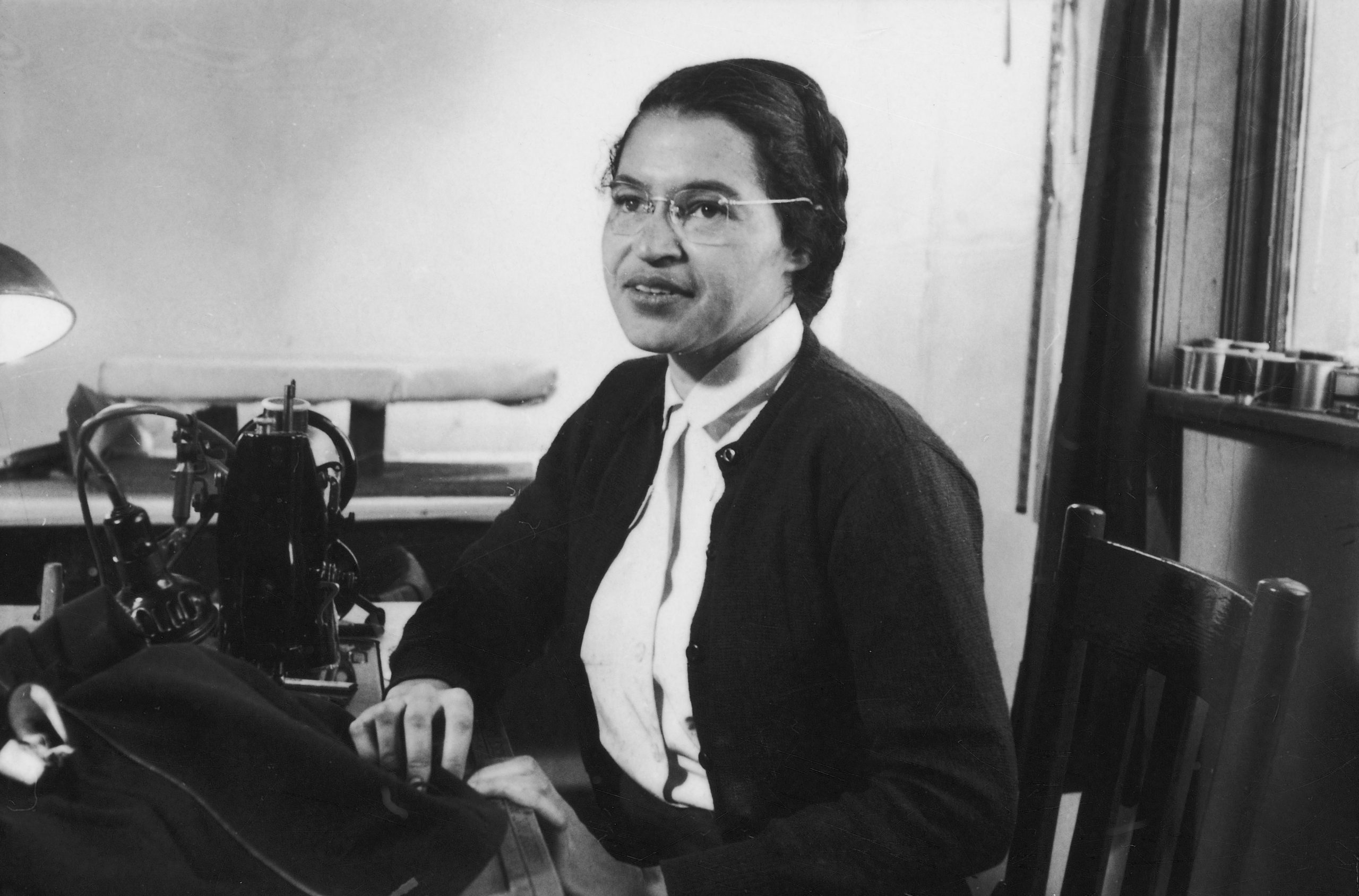
The Quiet Strength Who Sparked a Movement: Rosa Parks

quebec-oui.org – Rosa Parks, a name synonymous with the civil rights movement in the United States, was a woman of quiet strength whose simple act of defiance ignited a nationwide campaign for racial equality. Born Rosa Louise McCauley on February 4, 1913, in Tuskegee, Alabama, Parks grew up in an era marked by segregation and racial injustice. Despite these challenges, she became a symbol of resistance and a pivotal figure in the fight against racial discrimination.

Early Life and Education

Rosa Parks was raised by her mother, Leona McCauley, and her grandmother, Amanda Williams. Her early life was shaped by the teachings of her family and the African American community, which instilled in her a sense of dignity and the importance of education. Parks attended the Industrial School for Girls in Montgomery, Alabama, and later studied at the Alabama State Teachers College for Negroes (now Alabama State University).

The Spark of Defiance

On December 1, 1955, Rosa Parks boarded a city bus in Montgomery after a long day of work. When the bus driver, James F. Blake, ordered her to give up her seat to a white passenger, Parks refused. This act of civil disobedience was not a spontaneous decision but a culmination of years of activism and frustration with the status quo. Parks was arrested and fined for violating the city’s segregation laws.

The Montgomery Bus Boycott

Parks’s arrest triggered the Montgomery Bus Boycott, a pivotal moment in the civil rights movement. Led by the young minister Martin Luther King Jr., the boycott lasted 381 days, during which African American citizens of Montgomery refused to ride city buses in protest against racial segregation. The boycott ended with a landmark Supreme Court decision that declared bus segregation unconstitutional.

Legacy of Rosa Parks

Rosa Parks’s legacy extends far beyond the Montgomery Bus Boycott. She became an international icon of the civil rights movement, inspiring generations to stand up for their rights and to fight against injustice. Parks continued to be an active participant in the civil rights movement, working with various organizations and speaking out against racial discrimination.

Conclusion

Rosa Parks’s quiet strength and unwavering commitment to justice have left an indelible mark on history. Her refusal to give up her seat on that fateful day in 1955 sparked a movement that would forever change the course of American society. Parks’s legacy serves as a powerful reminder of the impact that individual courage can have in the face of systemic oppression.
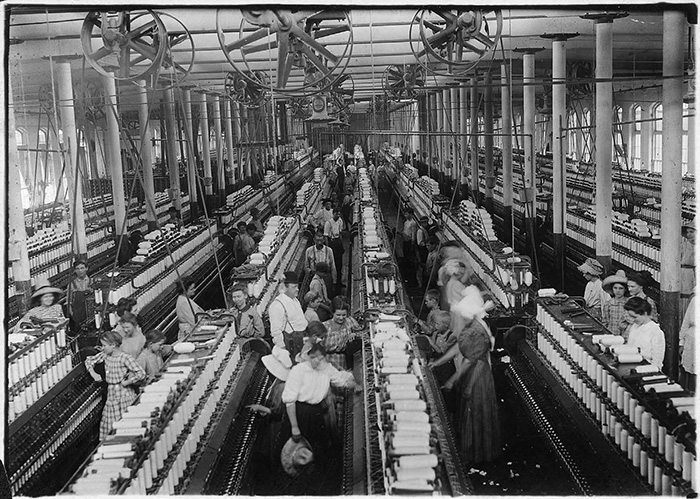
Transforming Societies: The Industrial Revolution

quebec-oui.org – The Industrial Revolution, a period of rapid industrial growth that began in Great Britain during the late 18th century and subsequently spread to other parts of the world, fundamentally transformed societies in ways that were both profound and far-reaching. This era, marked by the transition from hand production methods to machines, not only revolutionized the processes of manufacturing but also had a significant impact on the social, economic, and cultural fabric of the societies it touched.

The Dawn of a New Era

The Industrial Revolution began in the late 1700s, with the invention of the steam engine by James Watt being a pivotal moment. This innovation provided the necessary power to drive machinery, leading to the mechanization of industries such as textiles, iron production, and transportation. The development of the steam locomotive and steamships further revolutionized transportation, making it faster and more efficient to move goods and people over long distances.

Societal Transformations

The Industrial Revolution brought about significant changes in society, altering the way people lived, worked, and interacted with each other. One of the most notable changes was the shift from rural, agrarian societies to urban, industrial ones. As factories sprang up, people migrated from the countryside to the cities in search of work, leading to rapid urbanization. This migration transformed the demographic landscape, with cities growing exponentially in size and becoming centers of commerce, industry, and culture.

Economic Impacts

Economically, the Industrial Revolution led to unprecedented growth and wealth. The efficiency of production increased dramatically, leading to lower prices for goods and a higher standard of living for many. However, this economic boom was not without its downsides. The gap between the rich and the poor widened, with factory owners and industrialists amassing great wealth, while the working class often lived in poverty, working long hours in dangerous conditions for low pay.

Social and Cultural Changes

The Industrial Revolution also brought about significant social and cultural changes. The rise of the middle class, composed of factory owners, managers, and professionals, challenged the traditional social hierarchy. Education became more important as the need for skilled workers and managers grew, leading to the expansion of schools and universities.

Culturally, the Industrial Revolution had a mixed impact. On one hand, it led to the spread of Enlightenment ideas, promoting rationality, science, and progress. On the other hand, it also led to the exploitation of workers and the degradation of the environment, as factories polluted the air and water.

The Legacy of the Industrial Revolution

The legacy of the Industrial Revolution is complex and multifaceted. It laid the foundation for the modern industrialized world, bringing about technological advancements, economic growth, and social progress. However, it also introduced issues such as environmental degradation, social inequality, and the alienation of workers, which continue to challenge societies today.

In conclusion, the Industrial Revolution was a transformative period that reshaped societies in profound ways. Its impact on technology, the economy, and social structures has been lasting, setting the stage for the modern world. As we continue to grapple with the challenges it introduced, we must also acknowledge the progress and innovations that have improved the human condition. The Industrial Revolution serves as a reminder of the power of human ingenuity and the importance of addressing the unintended consequences of our advancements.