Celtic Harvest: Foods of Ancient Britain

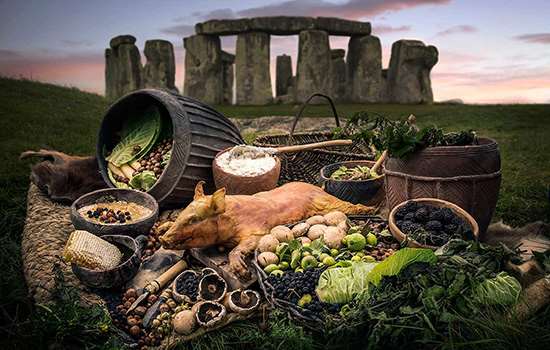
quebec-oui.org – The ancient Celts, who inhabited Britain before the Roman conquest, were a vibrant and resourceful people whose lives were intricately tied to the land they cultivated. Their diet was shaped by the changing seasons, the natural bounty of their environment, and their agricultural practices. This article delves into the foods that sustained the Celts of ancient Britain, exploring their agricultural techniques, staple ingredients, and culinary traditions.

The Agricultural Practices of the Celts

Seasonal Cycles and Farming Techniques

The Celts were skilled farmers who relied heavily on the changing seasons to guide their agricultural activities. They cultivated a variety of crops, including barley, oats, rye, and wheat, which were essential components of their diet. The Celts used simple tools made from wood and iron to plow their fields and practiced crop rotation to maintain soil fertility.

Livestock and Animal Husbandry

In addition to crop cultivation, the Celts were adept at raising livestock. Cattle, sheep, and pigs were common, providing not only meat but also milk, wool, and hides. Hunting and fishing supplemented their diet, with wild game and fish being valuable sources of protein.

Staple Foods of the Celtic Diet

Grains and Breads

Grains were the foundation of the Celtic diet, with barley and oats being particularly important. They were used to make porridge and bread, staples that provided sustenance throughout the year. Bread was often baked on open hearths or in simple ovens, and unleavened flatbreads were a common feature of Celtic meals.

Fruits, Vegetables, and Herbs

The Celts gathered a variety of wild fruits, vegetables, and herbs to complement their diet. Berries, nuts, and apples were foraged from the wild, while vegetables like leeks, onions, and cabbages were cultivated in small garden plots. Herbs such as mint, thyme, and rosemary added flavor to their dishes and were also used for medicinal purposes.

Culinary Traditions and Feasting

Communal Meals and Celebrations

Communal meals and feasting played a significant role in Celtic society. Festivals marked the changing seasons and agricultural milestones, such as the harvest. These gatherings featured an abundance of food, music, and storytelling, reinforcing community bonds and celebrating the bounty of the land.

Cooking Methods and Techniques

Cooking in ancient Celtic Britain was a communal affair, often centered around a hearth. Stews and soups were common, made with meat, vegetables, and grains simmered over an open fire. Smoking and salting techniques were employed to preserve meat for the winter months.

Conclusion

The foods of ancient Britain reflect the Celts’ deep connection to their land and their resourcefulness in utilizing its bounty. Through their agricultural practices, dietary staples, and culinary traditions, the Celts managed to sustain themselves in harmony with nature. Their legacy is a testament to a way of life that valued community, celebration, and the simple pleasures of the table. As we explore the Celtic harvest, we gain insight into a rich and enduring cultural heritage that continues to influence British cuisine today.
The Art of Desert Navigation: Ancient and Modern Techniques

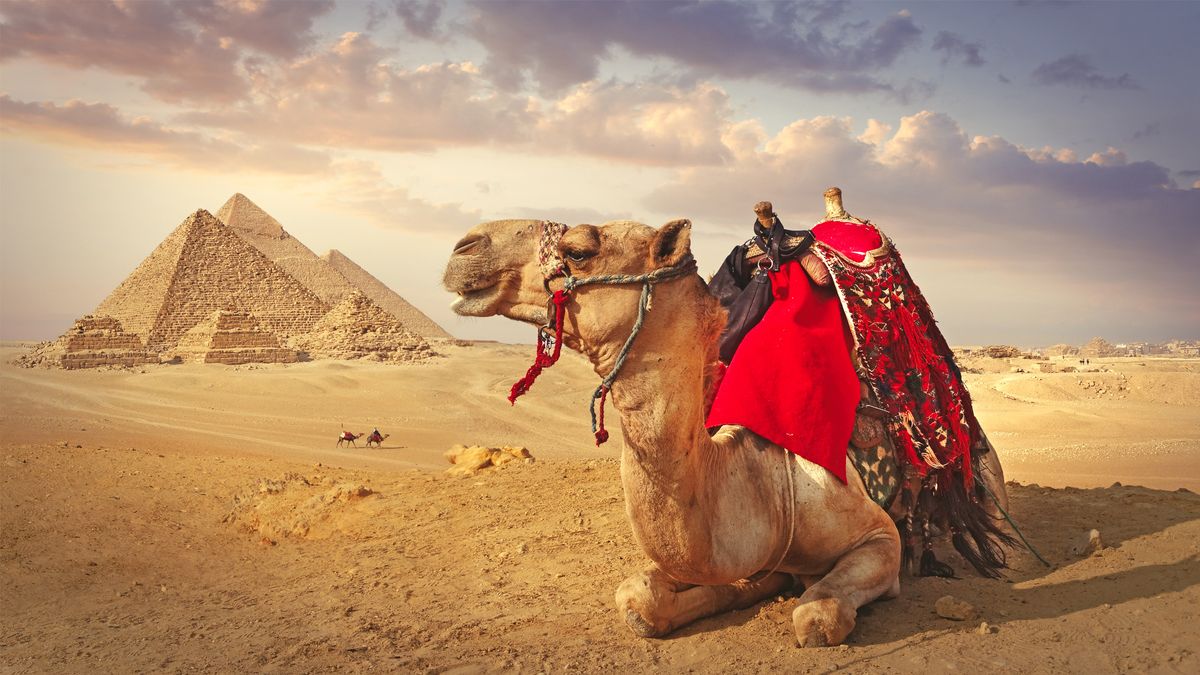
quebec-oui.org – Navigating the vast and often featureless expanses of the desert has been a vital skill for centuries. From ancient traders and nomadic tribes to modern adventurers and scientists, the ability to find one’s way in these arid landscapes is both an art and a science. This article explores the techniques used in desert navigation, examining both the time-honored methods of the past and the technological advancements of today.

Ancient Techniques of Desert Navigation

For millennia, desert dwellers have relied on a keen understanding of the natural world to navigate their surroundings. These traditional methods are rooted in observation and experience and have been passed down through generations.

Stars and Sun

One of the oldest navigation techniques involves using the stars and the sun as guides. By observing the position and movement of celestial bodies, ancient travelers could determine directions and approximate locations. The North Star, in particular, served as a reliable reference point in the Northern Hemisphere.

Landmarks and Natural Cues

Desert tribes often used prominent landmarks, such as mountains, rock formations, and oases, to orient themselves. Additionally, natural cues like prevailing wind patterns, the direction of sand dunes, and animal tracks provided valuable information for determining routes.

Oral Traditions and Memory

Storytelling and oral traditions played a crucial role in desert navigation. Elders would recount journeys and describe routes, embedding geographical knowledge in stories that were easy to remember. This oral map-making was essential for passing down navigation skills.

Modern Techniques and Technology

While traditional methods remain valuable, modern technology has transformed desert navigation, offering new tools and techniques.

GPS and Digital Maps

Global Positioning System (GPS) technology has revolutionized navigation, providing precise location data and route planning capabilities. Digital maps and navigation apps make it easier to explore remote desert areas with confidence.

Satellite Imagery

Satellite imagery offers detailed views of desert landscapes, helping identify terrain features, water sources, and potential obstacles. This technology is particularly useful for planning expeditions and conducting scientific research.

Drones and Remote Sensing

Drones equipped with cameras and sensors allow for aerial surveys of desert terrain, providing real-time data and enhancing navigation accuracy. Remote sensing technologies, such as LiDAR, offer insights into topography and environmental conditions.

The Intersection of Old and New

Combining ancient wisdom with modern technology can enhance desert navigation. Traditional knowledge provides a deep understanding of the environment, while technology offers precision and convenience. Together, they form a comprehensive approach to exploring and navigating desert landscapes.

Conclusion

The art of desert navigation is a testament to human adaptability and ingenuity. Whether using ancient methods or modern technology, the ability to traverse these challenging environments remains a crucial skill. By honoring traditional practices and embracing technological advancements, we continue to explore and understand the vast and mysterious deserts of our world.

Specialists in Religious Texts and Rituals in Ancient Egypt

quebec-oui.org – In the intricate and hierarchical society of ancient Egypt, scribes occupied a position of considerable importance and prestige. Among these scribes, the “Scribe of the Divine Words” held a unique and revered role. These individuals were not merely record-keepers or administrators; they were specialists in religious texts and rituals, playing a crucial role in the spiritual and cultural life of the civilization. This article delves into the world of the Scribe of the Divine Words, exploring their duties, training, and the significant impact they had on ancient Egyptian society.

The Role of the Scribe of the Divine Words

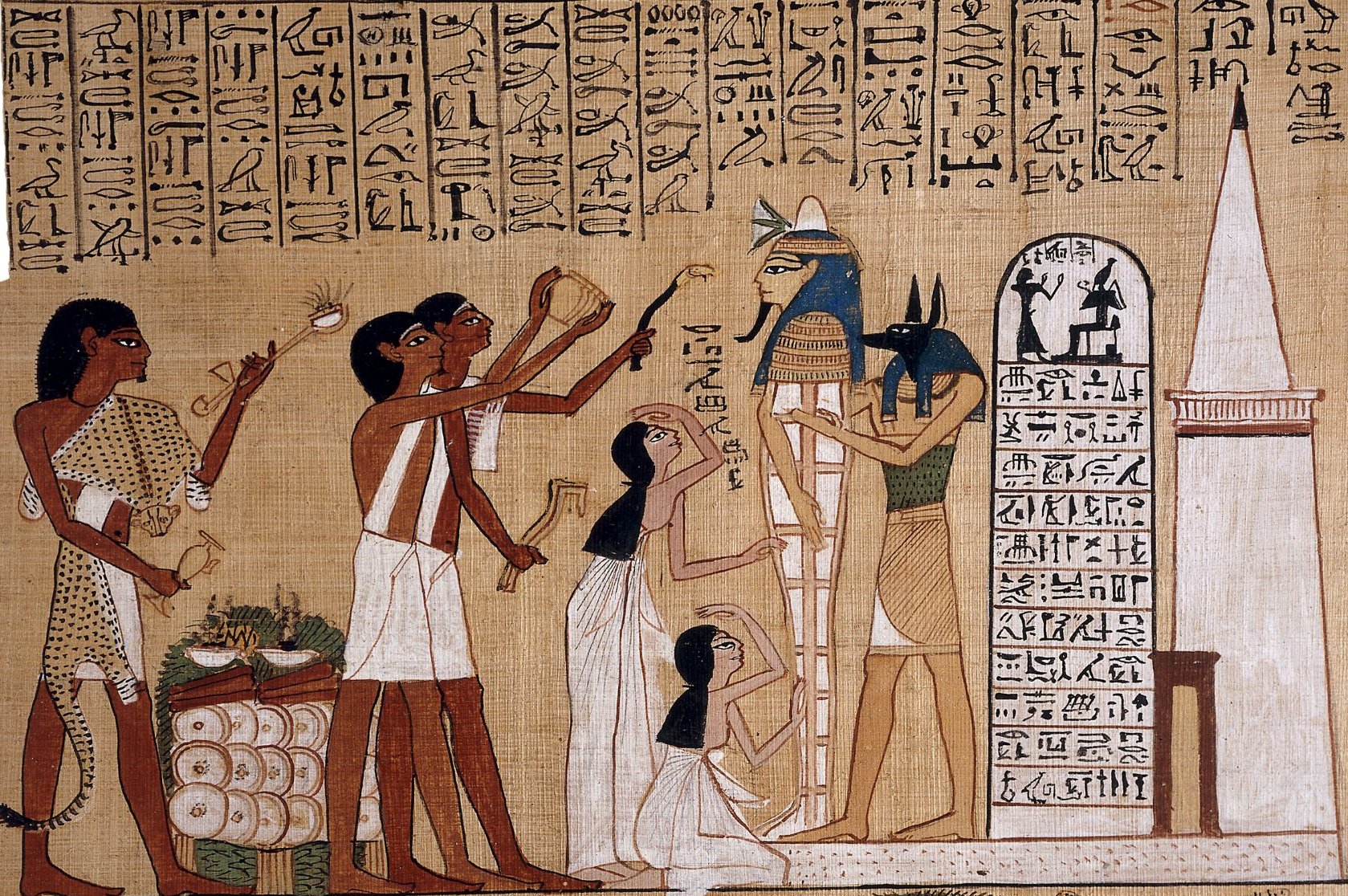
The Scribe of the Divine Words was responsible for copying, interpreting, and sometimes composing sacred texts and rituals. These texts included hymns, prayers, spells, and instructions for religious ceremonies, which were essential for maintaining the cosmic order (Ma’at) and ensuring the well-being of both the living and the dead. The scribes worked in temples, where they were involved in the daily rituals and festivals, and also in tombs, where they inscribed the walls with texts to guide the deceased through the afterlife.

Training and Skills

Becoming a Scribe of the Divine Words was no small feat. It required years of rigorous training in reading and writing hieroglyphs, the sacred script of ancient Egypt. Scribes were educated in schools attached to temples, where they learned not only the mechanics of writing but also the theological and philosophical concepts underpinning Egyptian religion. Mastery of the complex religious texts and rituals demanded a deep understanding of Egyptian mythology, cosmology, and the intricacies of the afterlife.

The Significance of the Scribe of the Divine Words

The role of the Scribe of the Divine Words was central to the religious and cultural life of ancient Egypt. Their work ensured the continuity of religious traditions and the preservation of sacred knowledge across generations. The scribes were essential intermediaries between the gods and humanity, their texts and rituals facilitating communication and maintaining the divine order that was fundamental to Egyptian society.

Moreover, the Scribe of the Divine Words played a crucial role in the construction and decoration of temples and tombs. The inscriptions they created were not merely decorative; they were believed to possess magical power, bringing the scenes and texts to life and ensuring the efficacy of the rituals performed within these sacred spaces.

Legacy

The legacy of the Scribe of the Divine Words is evident in the wealth of religious texts and inscriptions that have survived to this day. These artifacts provide invaluable insights into the beliefs, rituals, and daily life of ancient Egyptians. The meticulous work of these scribes has allowed modern scholars to piece together the complex tapestry of Egyptian religion and culture, highlighting the enduring impact of their contributions.

In conclusion, the Scribe of the Divine Words was more than just a copyist; they were a guardian of sacred knowledge and a vital link in the transmission of religious traditions in ancient Egypt. Their role underscores the profound interconnection between religion, culture, and daily life in this remarkable civilization, leaving a legacy that continues to fascinate and inspire.

Vietnam’s Architecture: Ancient Temples – Modern Skyscrapers

quebec-oui.org – Vietnam’s architecture is a fascinating blend of traditional and modern influences, reflecting the country’s rich history and rapid development. From ancient temples and imperial citadels to contemporary skyscrapers and eco-friendly designs, the built environment in Vietnam offers a glimpse into its cultural heritage and forward-thinking approach to construction. This article explores the diverse architectural landscape of Vietnam, highlighting key examples and the evolution of design over time.

Ancient Temples and Imperial Citadels

Vietnam’s ancient architecture is characterized by its religious and ceremonial structures, many of which have stood for centuries. These buildings often incorporate elements of Chinese, Champa, and Khmer architectural styles, reflecting the historical influences on the region.

The Temple of Literature in Hanoi

The Temple of Literature in Hanoi, built in the 11th century, is a prime example of traditional Vietnamese architecture. It was established as a temple to Confucius and served as the country’s first university. The complex features elegant wooden pavilions, courtyards, and stelae mounted on stone tortoises, symbolizing longevity and strength.

The Imperial City of Hue

The Imperial City of Hue, a UNESCO World Heritage site, is another significant example of ancient Vietnamese architecture. It was the seat of the Nguyen Dynasty and features a series of palaces, temples, and gates that showcase the blend of Vietnamese and Chinese architectural styles. The Forbidden Purple City, modeled after the Forbidden City in Beijing, is a testament to the country’s imperial past.

Colonial Architecture

The period of French colonization in Vietnam, from the late 19th century to the mid-20th century, left a lasting impact on the country’s architecture. French colonial buildings are characterized by their use of brick, tile roofs, and shuttered windows, designed to withstand the tropical climate.

The Notre Dame Cathedral and the Central Post Office in Ho Chi Minh City

Ho Chi Minh City (formerly Saigon) is home to several notable examples of French colonial architecture. The Notre Dame Cathedral, with its twin spires and stained glass windows, and the Central Post Office, with its grand façade and intricate ironwork, are iconic landmarks that reflect the city’s colonial past.

Modern Skyscrapers and Eco-Friendly Designs

In recent years, Vietnam has embraced modern architecture, with cities like Ho Chi Minh City and Hanoi experiencing a building boom. Skyscrapers and contemporary designs now dot the skyline, reflecting the country’s rapid economic growth and urbanization.

The Landmark 81 in Ho Chi Minh City

The Landmark 81, located in Ho Chi Minh City, is the tallest building in Vietnam and one of the tallest in Southeast Asia. Its modern design and luxurious amenities symbolize the country’s ambition and progress.

Eco-Friendly Architecture

Vietnam is also at the forefront of eco-friendly architecture, with designers and developers incorporating sustainable practices into their projects. Green buildings, such as the Lotte Eco Tower in Hanoi, feature energy-efficient systems, green spaces, and materials that reduce the environmental impact.

Conclusion

Vietnam’s architecture is a rich tapestry of ancient and modern influences, showcasing the country’s cultural heritage and innovative spirit. From the serene beauty of ancient temples to the soaring heights of modern skyscrapers, the built environment in Vietnam offers a unique perspective on the intersection of tradition and progress. As the country continues to develop, its architecture will undoubtedly evolve, reflecting the changing needs and aspirations of its people.

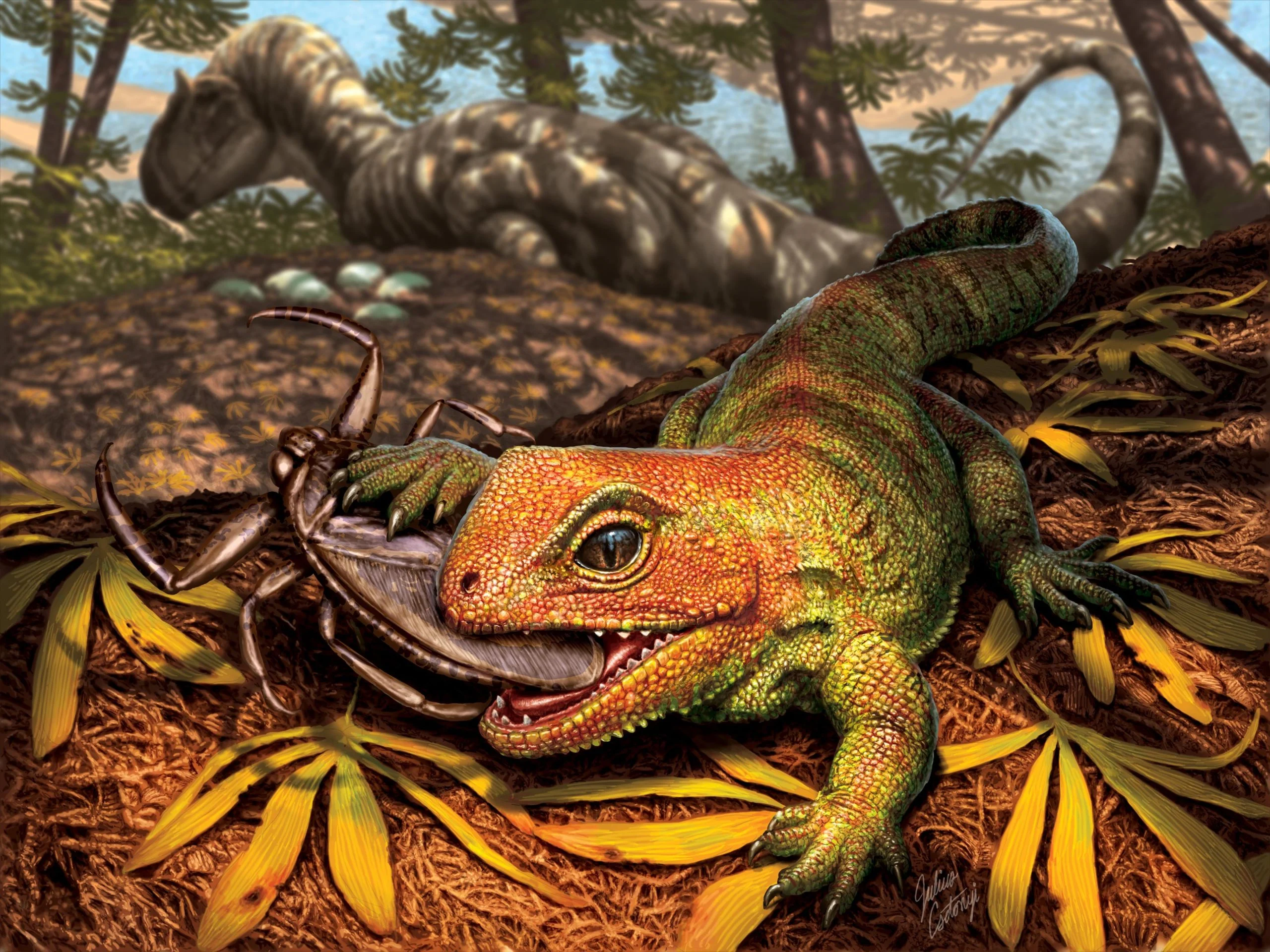
Dinosaur: Reconstructing the Daily Lives of These Ancient Reptiles

quebec-oui.org – The world of dinosaurs, which thrived on Earth for approximately 165 million years, has always been a subject of fascination and intrigue. While these ancient reptiles have been extinct for millions of years, the remnants of their existence—fossils, tracks, and traces—have provided scientists with invaluable clues about their daily lives. Through the meticulous study of paleontology, researchers have been able to piece together a picture of what a day in the life of a dinosaur might have looked like.

The Dawn of a Dinosaur Day

As the sun rose over the Mesozoic landscape, the Earth was a very different place. The continents were slowly drifting apart, and the climate was generally warmer and more humid than today. The dawn would have signaled the start of activity for many dinosaur species.

Herbivorous dinosaurs, such as the long-necked sauropods, would have begun their day by grazing on the abundant plant life. These giants would spend hours consuming the leaves of trees and ferns, using their massive size to reach foliage that was out of reach for other herbivores.

Meanwhile, predatory dinosaurs, like the fearsome Tyrannosaurus rex, would have been on the lookout for their next meal. With keen senses, these carnivores would stalk the landscape, hunting in solitary or in packs, depending on the species. The early morning hours would have been prime time for hunting, as many of their prey animals would still be groggy from the night.

The Midday Heat

As the day progressed, the sun would have made the Mesozoic world quite hot. Many dinosaurs would have sought shade to escape the midday heat. Some, like the hadrosaurs, might have gathered near water bodies to cool off and socialize. These gatherings would have been important for maintaining social bonds and possibly for mating rituals.

The midday lull would also have been a time for theropod dinosaurs to rest and digest their meals. Theropods, which include birds as their modern descendants, were known for their bipedal stance and carnivorous diets. They would have needed to conserve energy, as hunting was a strenuous activity.

The Active Evening

As the sun began to set, the dinosaurs would become active once again. The cooler temperatures would have been more comfortable for many species, leading to a burst of activity. Herbivores would take the opportunity to feed and drink, while predators would start their evening hunts.

The nocturnal dinosaurs, such as the small, bird-like dromaeosaurs, would have been particularly active during this time. Equipped with sharp claws and teeth, these agile hunters would have used the cover of darkness to their advantage.

Communication and Social Behavior

Throughout the day, dinosaurs would have communicated with each other using a variety of signals. Some may have used vocalizations, as evidenced by the structure of their skulls and the presence of resonating chambers in certain species. Others might have relied on body language, displaying colorful feathers or skin, or performing intricate dances to attract mates or assert dominance.

The End of the Day

As night fell, the dinosaurs would have settled down to rest. Some species might have gathered in groups for safety, while others would have sought out secluded spots. The nocturnal predators would continue their hunts under the moonlight, ensuring that even in the darkness, the ancient world was alive with activity.

Reconstructing Dinosaur Lives

The reconstruction of dinosaur daily lives is an ongoing process. Paleontologists use a combination of fossil evidence, biomechanics, and comparisons with modern animals to infer the behaviors and lifestyles of these ancient creatures. Every new discovery adds to our understanding, bringing us closer to the reality of what it was like to be a dinosaur.

In conclusion, while we may never know every detail of a dinosaur’s day out, the field of paleontology continues to shed light on the daily lives of these fascinating creatures. Through their fossils, we can glimpse the behaviors, interactions, and environments that defined the Mesozoic Era, and marvel at the diversity of life that once roamed our planet.