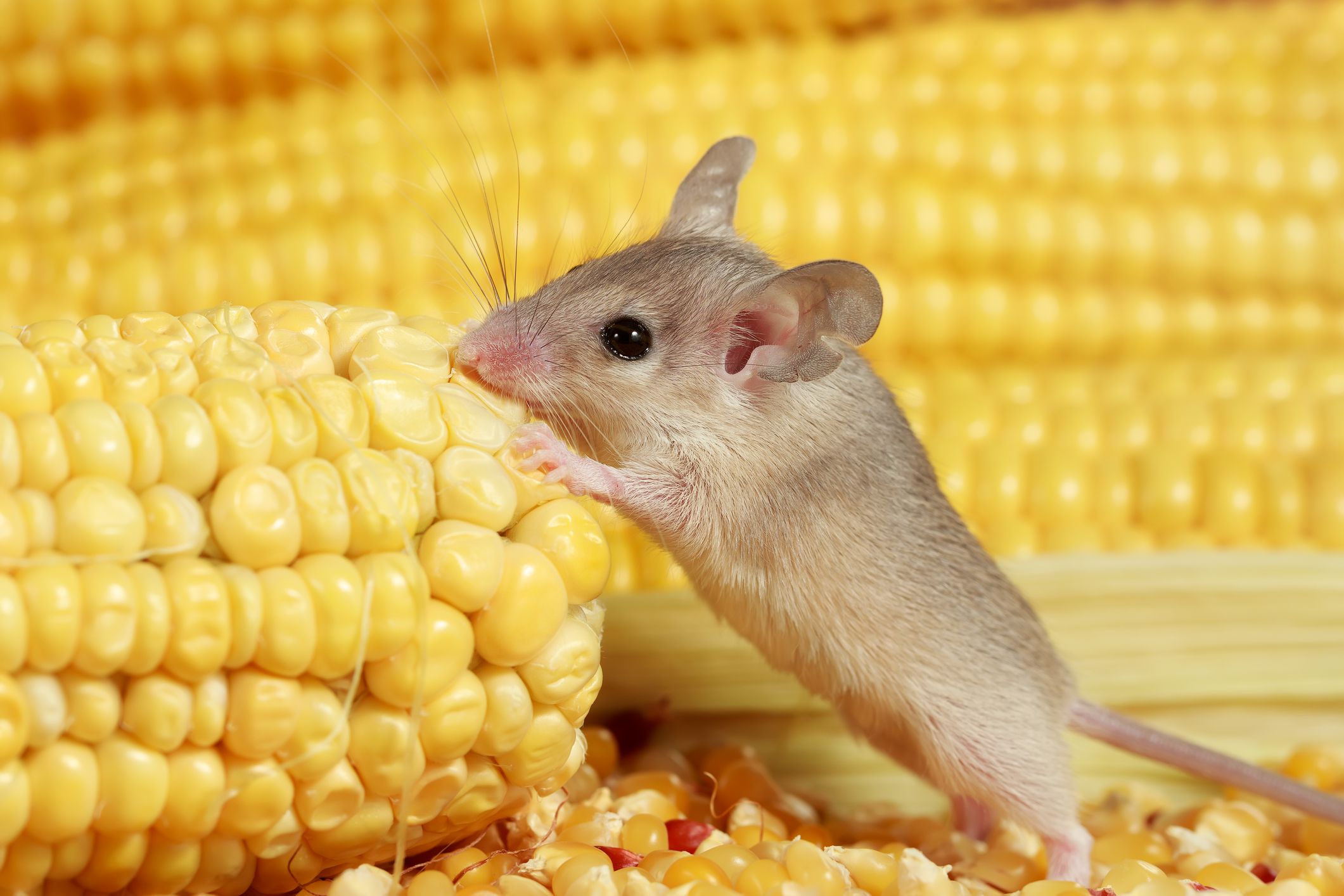
quebec-oui.org – Mice are small, curious creatures that make for engaging and adorable pets. Like all animals, their health and well-being depend largely on the food they eat. Providing the right nutrition for your pet mice is essential for their overall health, energy, and longevity. Here’s an overview of the best mouse food options and how to create a balanced diet for your furry friends.
1. Basic Nutritional Needs of Mice
Mice are omnivores, meaning they can eat a combination of plant-based and animal-based foods. Their diet in the wild includes seeds, grains, fruits, vegetables, and even small insects. For pet mice, it’s crucial to provide a well-balanced diet that meets their dietary requirements. This should include a mix of proteins, fats, fiber, and vitamins.
2. Commercial Mouse Food
The easiest way to ensure your mice get a balanced diet is by purchasing specially formulated mouse food from pet stores. These commercial mouse pellets or blocks are designed to meet all of your pet’s nutritional needs. Look for high-quality brands that contain:
- 16% protein content
- 4-5% fat
- Fiber for digestion
Commercial pellets are a convenient option because they help prevent selective feeding, where mice may eat only their favorite parts of a mixed food and miss out on key nutrients.
3. Supplementing with Fresh Foods
While commercial food provides the basics, adding fresh fruits and vegetables to your mouse’s diet ensures they receive extra vitamins and minerals. Some great options include:
- Fruits: Apples, bananas, berries, pears (avoid citrus as it can upset their stomachs)
- Vegetables: Carrots, broccoli, peas, spinach, and kale
Avoid giving mice large amounts of sugary fruits or starchy vegetables, as these can lead to obesity and other health issues. Always wash fresh produce thoroughly to remove pesticides.
4. Healthy Treats for Mice
Mice love snacks, and it’s fun to offer them treats in moderation. Good options include:
- Whole grains like oats or brown rice
- Small seeds like sunflower or pumpkin seeds (in limited quantities due to high fat content)
- Protein sources like cooked eggs or small pieces of cooked chicken
Remember, treats should only make up about 10% of your mouse’s diet, so offer them sparingly.
5. Foods to Avoid
While many foods are safe for mice, some should be avoided due to toxicity or health risks. Never feed your pet mice:
- Chocolate
- Onions or garlic
- Citrus fruits
- Processed human food like chips, candy, or fast food
- Alcohol, caffeine, or sugary drinks
These foods can lead to serious health problems or even be fatal.
6. Hydration Needs
Mice should always have access to fresh, clean water. Use a water bottle designed for small animals to prevent spills and contamination. Check the water level daily and clean the bottle regularly to ensure your pets stay hydrated.
7. Feeding Tips for Mice
- Portion control: Overfeeding can lead to obesity, so measure the food you provide each day. A typical adult mouse will eat about 5-7 grams of food daily.
- Variety is key: Rotate fresh foods and treats to keep your mice interested in their diet and provide a range of nutrients.
- Observe feeding behavior: Watch how your mice interact with their food. If they seem uninterested or are losing weight, consult a veterinarian.
8. Final Thoughts
Feeding your pet mice a balanced, varied diet is essential for their health and happiness. By combining high-quality commercial food with fresh fruits, vegetables, and healthy treats, you can ensure they stay active, healthy, and full of life. Always pay attention to their portion sizes and avoid foods that may be harmful to them. Proper nutrition will help your pet mice thrive and enjoy a long, happy life.