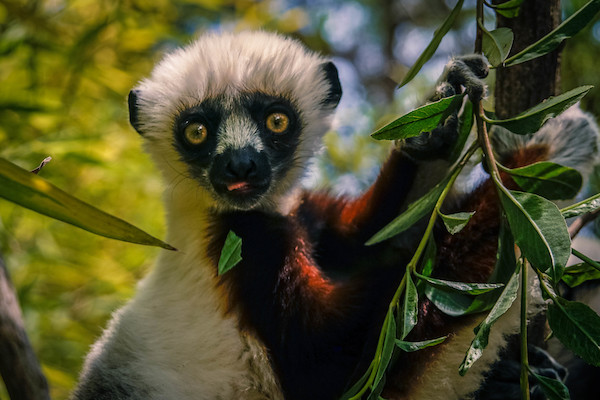
quebec-oui.org – Lemurs, native to the island of Madagascar, are some of the most unique and charismatic primates in the world. With their wide eyes, bushy tails, and curious behavior, lemurs have captivated scientists and wildlife enthusiasts alike. This article delves into the fascinating characteristics, behaviors, and conservation efforts surrounding these remarkable creatures.
Evolution and Origin
Lemurs are part of the primate order, but they are distinctly different from monkeys and apes. Their lineage diverged from the rest of the primate family tree around 60 million years ago, making them one of the most ancient forms of primates. Madagascar, an isolated island, became their evolutionary cradle, allowing lemurs to evolve into a variety of species adapted to different ecological niches.
Unique Physical Characteristics
Lemurs come in a wide range of sizes, colors, and shapes. The smallest species, the mouse lemur, weighs less than a pound, while the largest, the indri, can weigh up to 20 pounds. Their large, reflective eyes help them see at night, a key adaptation since many lemurs are nocturnal. Lemurs also have long, bushy tails used for balance when climbing trees and leaping between branches.
Behavior and Social Structure
Lemurs are highly social animals, living in groups known as troops. These troops can range in size from just a few individuals to over 20, depending on the species. Interestingly, many lemur species exhibit female dominance, where the females lead the group, control resources, and even initiate mating. Lemur societies are complex, with strong bonds formed between members through grooming and vocal communication.
Habitat and Diet
Lemurs are highly adaptable and can be found in a variety of habitats, from tropical rainforests to dry, spiny forests. Their diet also varies depending on the species and habitat. While some lemurs are strictly herbivorous, feeding on fruits, leaves, and flowers, others may include insects and small vertebrates in their diet. Many lemurs also play a crucial role in seed dispersal, helping to maintain the biodiversity of Madagascar’s forests.
Threats to Survival
Unfortunately, lemurs are among the most endangered mammals on the planet. Habitat loss due to deforestation, slash-and-burn agriculture, and illegal logging is the greatest threat to lemur populations. Hunting and the illegal pet trade also pose significant risks. As Madagascar’s forests disappear, so does the rich biodiversity that includes lemurs.
Conservation Efforts
Numerous conservation efforts are underway to protect lemurs and their habitats. Local and international organizations are working together to establish protected areas, reforest degraded lands, and raise awareness about the importance of lemur conservation. Ecotourism has also become a vital part of these efforts, providing economic incentives for local communities to protect wildlife.
Conclusion
Lemurs are not only a symbol of Madagascar’s rich natural heritage but also a testament to the island’s unique evolutionary history. Protecting these animals is not just about saving a single species but preserving an entire ecosystem. With continued conservation efforts, there is hope that lemurs will continue to thrive and captivate future generations.