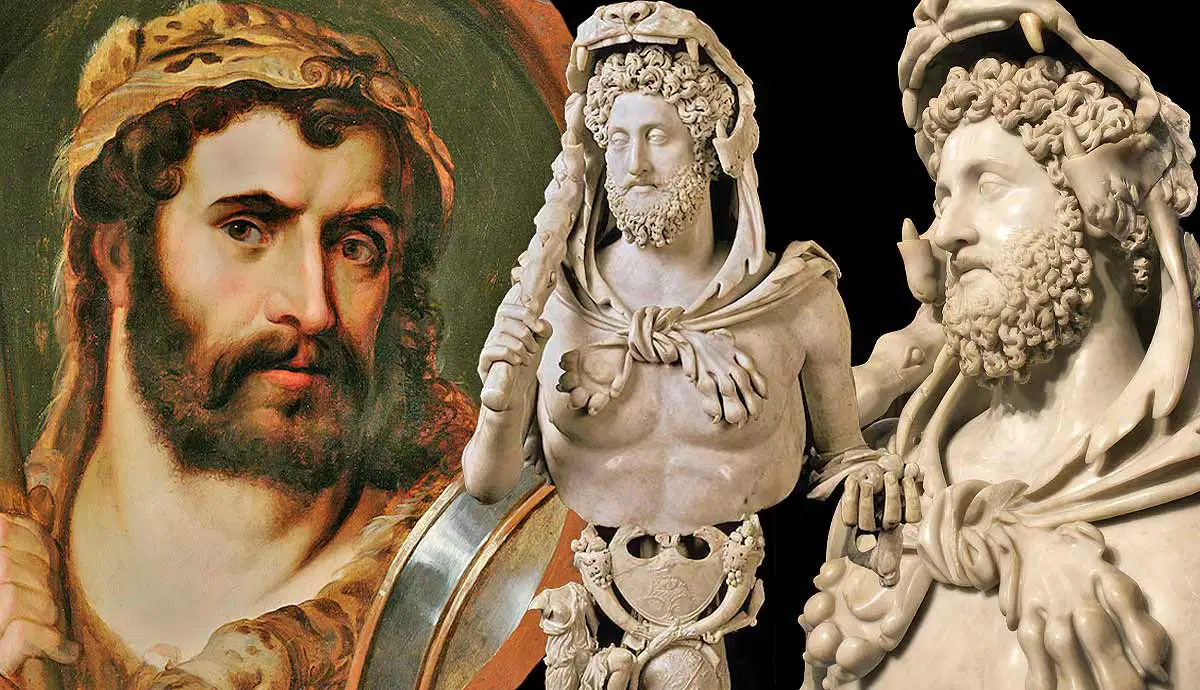
Commodus: The Mad Emperor – Characteristics and Reign

quebec-oui.org – Commodus, often dubbed “The Mad Emperor,” ruled as Roman Emperor from 180 to 192 AD. His reign marked the end of the Pax Romana, a period of relative peace and stability throughout the Roman Empire. Known for his eccentric behavior and tyrannical rule, Commodus’s leadership is often cited as a contributing factor to the Roman Empire’s eventual decline. This article explores his tumultuous reign, distinctive characteristics, and the impact of his leadership on Roman history.

Early Life and Rise to Power

Born in 161 AD, Commodus was the son of the esteemed Emperor Marcus Aurelius. His ascent to the throne was part of a dynastic succession, as he was named co-emperor alongside his father at the age of 16. Commodus became the sole ruler upon his father’s death in 180 AD. Unlike his father, who was known for his philosophical wisdom and effective governance, Commodus quickly gained a reputation for neglecting state affairs in favor of personal indulgence and entertainment.

Characteristics and Reign

Commodus’s reign is characterized by his erratic behavior and self-indulgence. He is infamously remembered for his fascination with gladiatorial combat, often participating in the arena himself and styling himself as a living god. Commodus’s focus on personal glory and extravagance led to widespread corruption and administrative neglect. His leadership style alienated the Senate and the military, causing political instability and unrest throughout the empire.

Cultural Impact and Legacy

The legacy of Commodus is one of infamy. His reign is often viewed as a turning point that marked the beginning of the Roman Empire’s decline. Commodus’s life and rule have been dramatized in various forms of media, most notably in the 2000 film “Gladiator,” where he is portrayed as a capricious and ruthless ruler. His story serves as a cautionary tale about the dangers of unchecked power and the consequences of prioritizing personal ambition over the welfare of the state.

Conclusion

Commodus, “The Mad Emperor,” remains a compelling figure in Roman history. His reign, marked by personal excess and political turmoil, contrasts sharply with the stability and prosperity of his predecessors. While his leadership contributed to the challenges faced by the Roman Empire in subsequent years, his story continues to captivate historians and enthusiasts, offering insights into the complexities of leadership and the fragile nature of power.
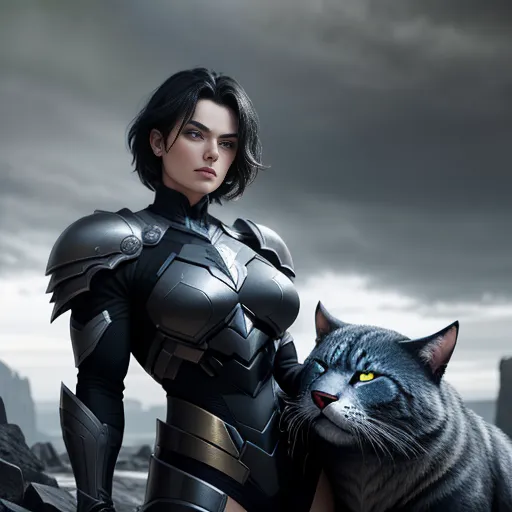
Faora: The Fearsome Kryptonian Warrior

quebec-oui.org – Faora is a formidable supervillain in the DC Comics universe, often depicted as a powerful adversary of Superman. Known for her fierce combat skills and unwavering loyalty to General Zod, Faora represents the darker aspects of Kryptonian strength and ambition. Her character embodies themes of loyalty, power, and the complex dynamics of war and survival.

Origins and Background

Faora first appeared in “Action Comics” #471 in 1977, created by writer Cary Bates and artist Curt Swan. She is a Kryptonian, like Superman, but her life trajectory is starkly different. In various continuities, Faora is often depicted as a war criminal from Krypton who survived the planet’s destruction by being imprisoned in the Phantom Zone, a dimension used to incarcerate Krypton’s most dangerous criminals.

Abilities and Characteristics

As a Kryptonian, Faora possesses powers similar to Superman’s when exposed to Earth’s yellow sun, including superhuman strength, speed, durability, and the ability to fly. However, what sets her apart is her exceptional hand-to-hand combat skills, making her an even more dangerous opponent. Her tactical acumen and ruthless efficiency in battle make her a fearsome adversary to any who oppose her.

Faora in DC Storylines

Faora has appeared in numerous storylines, often as a lieutenant or ally to General Zod. Her loyalty to Zod and their shared goal of subjugating Earth make them a persistent threat to Superman and his allies. In the storyline “Superman: Last Son,” Faora is one of the leaders of a Kryptonian invasion of Earth, showcasing her strategic mind and combat prowess.

Themes and Symbolism

Faora’s character explores themes of loyalty, power, and survival. Her allegiance to Zod highlights the complexities of loyalty and authority, while her combat skills and strategic mindset emphasize the primal nature of survival and dominance. Faora’s presence in the DC universe serves as a reminder of the potential for both great good and great evil inherent in power.

Faora in Other Media

Faora’s character gained wider recognition through her portrayal in the 2013 film “Man of Steel,” where she was depicted by actress Antje Traue. In the film, Faora is a key figure in General Zod’s attempt to terraform Earth into a new Krypton, showcasing her as a ruthless and skilled warrior. Her performance brought a new dimension to the character, emphasizing her strength and strategic intelligence.

Conclusion

Faora remains a compelling villain in the DC universe, challenging heroes with her strength, intelligence, and unwavering dedication to her cause. Her character serves as a powerful exploration of the duality of power and the complexities of loyalty, making her a memorable and enduring figure in the world of comics and beyond.