État Libre d’Orange Sécrétions Magnifiques Perfume

quebec-oui.org – Perfume as an art form has always been about evoking emotions, memories, and even fantasies. It can transport the wearer to another place or time with just a spritz. However, one fragrance house that has pushed the boundaries of what is considered conventional or “acceptable” in the perfume world is État Libre d’Orange. Their controversial and polarizing scent, Sécrétions Magnifiques, is perhaps the most talked-about creation from their rebellious collection. Boldly unconventional, this fragrance has sparked conversations and debates for its unapologetic exploration of bodily fluids and raw sensuality.

A Radical Concept

At its core, Sécrétions Magnifiques is unlike any other perfume. It doesn’t aim to please the masses or provide a universally pleasing scent; rather, it seeks to challenge, provoke, and perhaps even unsettle its wearer. The fragrance is a conceptual journey inspired by the human body, specifically the scents associated with intimate moments such as sweat, blood, saliva, and semen. It defies traditional norms of what a perfume “should” smell like, instead creating an olfactory experience that is as divisive as it is intriguing.

The Birth of a Controversy

État Libre d’Orange, founded by Étienne de Swardt in 2006, has always aimed to be a niche perfume house that embraces eccentricity and irreverence. The creation of Sécrétions Magnifiques was no different. De Swardt envisioned a fragrance that would shock and provoke, pushing the boundaries of the acceptable. The inspiration behind the scent was the complex emotions surrounding intimacy—ranging from passion and pleasure to discomfort and vulnerability.

From the moment it was launched, Sécrétions Magnifiques was met with intense reactions. Some were intrigued by its boldness, while others were repulsed by its audacity. But whether loved or loathed, it succeeded in one of its primary objectives: it sparked conversation and forced people to reconsider their expectations of what perfume could be.

Notes and Composition

When examining the fragrance itself, Sécrétions Magnifiques is as complex as its concept suggests. It opens with metallic, salty, and ozonic notes that give the initial impression of something cold and clinical, like blood or sweat. The top notes include marine accord, iodine, and aldehydes, which contribute to the impression of salty skin and bodily fluids.

As the fragrance develops, the middle notes introduce a heart of blood accord, adrenaline accord, and milk, further emphasizing the connection to the human body. These elements create a blend that smells almost fleshy and visceral, deepening the intimate and confrontational nature of the perfume.

The base notes of Sécrétions Magnifiques include sandalwood, iris, and opoponax, which offer a soft, creamy finish that contrasts with the sharp metallic opening. However, even as the fragrance mellows, it never becomes traditionally “pleasant” in the way many commercial perfumes do. It remains challenging, forcing the wearer to continue engaging with its provocative and unusual nature.

Who is it For?

Sécrétions Magnifiques is not for everyone, and État Libre d’Orange has never pretended otherwise. This is a fragrance for the daring, the curious, and those who appreciate art that pushes boundaries. It appeals to people who enjoy intellectual and conceptual art, and who are not afraid to explore the darker, more unsettling aspects of life.

The fragrance has a polarizing effect: some wearers are drawn to its raw and honest portrayal of the human body, while others find it too uncomfortable to wear. It’s been described as a “love it or hate it” scent, with very few opinions falling in between.

For those who appreciate its daring nature, Sécrétions Magnifiques is more than just a perfume—it’s an experience. It invites you to confront your own feelings about intimacy, attraction, and the human body. It’s a scent that raises questions and evokes emotions in a way few other fragrances can.

Cultural Impact

Despite—or perhaps because of—its controversial nature, Sécrétions Magnifiques has cemented its place in the world of niche perfumery as one of the most daring and talked-about fragrances of the 21st century. It has inspired countless reviews, discussions, and even humorous commentary due to its daring concept. Even those who cannot bring themselves to wear it often find themselves fascinated by its audacity and the statement it makes about the art of perfumery.

In an industry that can often feel saturated with safe, predictable scents, Sécrétions Magnifiques stands out as a reminder that fragrance can be a form of expression that transcends mere pleasantness. It challenges the traditional expectations of beauty and dares to embrace the raw, the visceral, and the uncomfortable.

Final Thoughts: A Perfume That Defies Definition

In the end, Sécrétions Magnifiques is a fragrance that defies easy categorization. It’s not designed to be worn for compliments, nor is it a scent meant to fade into the background. Instead, it demands attention and forces the wearer to confront their own relationship with scent and sensuality.

Whether you find it fascinating, repulsive, or somewhere in between, there is no denying that Sécrétions Magnifiques is a bold and unforgettable creation that has earned its place in the world of avant-garde perfumery. It is a reminder that perfume, like all forms of art, has the power to provoke, challenge, and inspire—and sometimes, that means stepping far outside of the boundaries of comfort and convention.

Baby Doll: A Controversial Classic – A Controversial Masterpiece

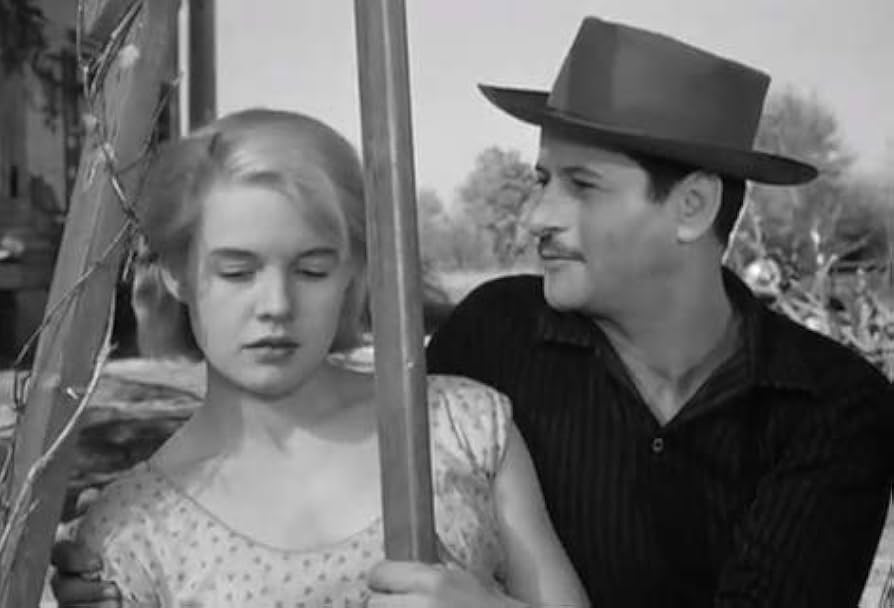
quebec-oui.org – Baby Doll (1956) is a controversial yet critically acclaimed film directed by Elia Kazan and adapted from Tennessee Williams’ one-act plays. The film, set in rural Mississippi, explores themes of sexual tension, power dynamics, and societal expectations.   

A Cast of Strong Performances

The film features a stellar cast, with Carroll Baker delivering a breakout performance as the titular character, Baby Doll. Baker’s portrayal of a naive and seductive young woman is both captivating and provocative. Her performance earned her a Golden Globe Award for Best New Star of the Year – Actress.   

A Bold and Provocative Exploration of Sexuality

Baby Doll was a groundbreaking film for its time, pushing the boundaries of cinematic storytelling. The film’s explicit sexual themes and suggestive imagery challenged societal norms and sparked controversy. The film’s depiction of a young woman’s sexuality and her manipulation of the men around her was considered daring and controversial for the 1950s.   

A Complex and Ambiguous Character

Baby Doll is a complex and enigmatic character. She is both innocent and worldly, vulnerable and manipulative. Her childlike demeanor and seductive behavior create a fascinating and contradictory persona. Baker’s performance brings depth and nuance to the character, making her both sympathetic and infuriating.   

A Lasting Legacy

Despite its controversial nature, Baby Doll has endured as a classic film. Its impact on American cinema is undeniable, and it continues to inspire and provoke audiences today. The film’s exploration of sexuality, power, and the human condition remains relevant, making it a timeless masterpiece.   

Carroll Baker’s Impact on Film

Carroll Baker’s performance in Baby Doll catapulted her to stardom and solidified her status as a talented and versatile actress. She went on to star in numerous films, including Giant (1956), The Chapman Report (1962), and The Carpetbaggers (1964). Her ability to portray complex and multifaceted characters has made her a beloved figure in Hollywood.   

Conclusion

Baby Doll is a bold and provocative film that continues to captivate audiences. Its exploration of sexuality, power, and societal expectations is as relevant today as it was in the 1950s. Carroll Baker’s performance as Baby Doll is a tour de force, and her impact on the film industry is undeniable.

Kremšnita: A Creamy, Dreamy Dessert – A Culinary Masterpiece

quebec-oui.org – Kremšnita, a delectable Croatian dessert, is a symphony of flavors and textures. It’s a layered dessert that consists of crispy pastry, a creamy custard filling, and a delicate whipped cream topping. The combination of these elements creates a truly indulgent dessert that is both rich and refreshing.

A Culinary Masterpiece

The key to a perfect Kremšnita lies in the quality of its ingredients and the precision of its preparation. The pastry, which is often made with puff pastry, is baked until golden brown and crispy. The custard filling is rich and creamy, made with milk, eggs, sugar, and vanilla. The whipped cream topping adds a light and airy touch to the dessert.

A Taste of Croatia

Kremšnita is a beloved dessert in Croatia, and it’s often enjoyed with a cup of coffee or tea. It’s a popular choice for special occasions, such as birthdays, weddings, and holidays. The dessert’s elegant presentation and delicious taste make it a favorite among both locals and tourists.

A Global Delight

In recent years, Kremšnita has gained popularity beyond Croatia. It’s now enjoyed in many countries around the world, particularly in Eastern Europe and the Balkans. The dessert’s versatility and deliciousness have made it a global favorite.

A Sweet Indulgence

If you’re looking for a truly indulgent dessert, Kremšnita is the perfect choice. Its combination of crispy pastry, creamy custard, and fluffy whipped cream is sure to satisfy your sweet tooth. So, the next time you have a craving for something sweet, treat yourself to a slice of Kremšnita.

“Once Upon a Time in the West” (1968)

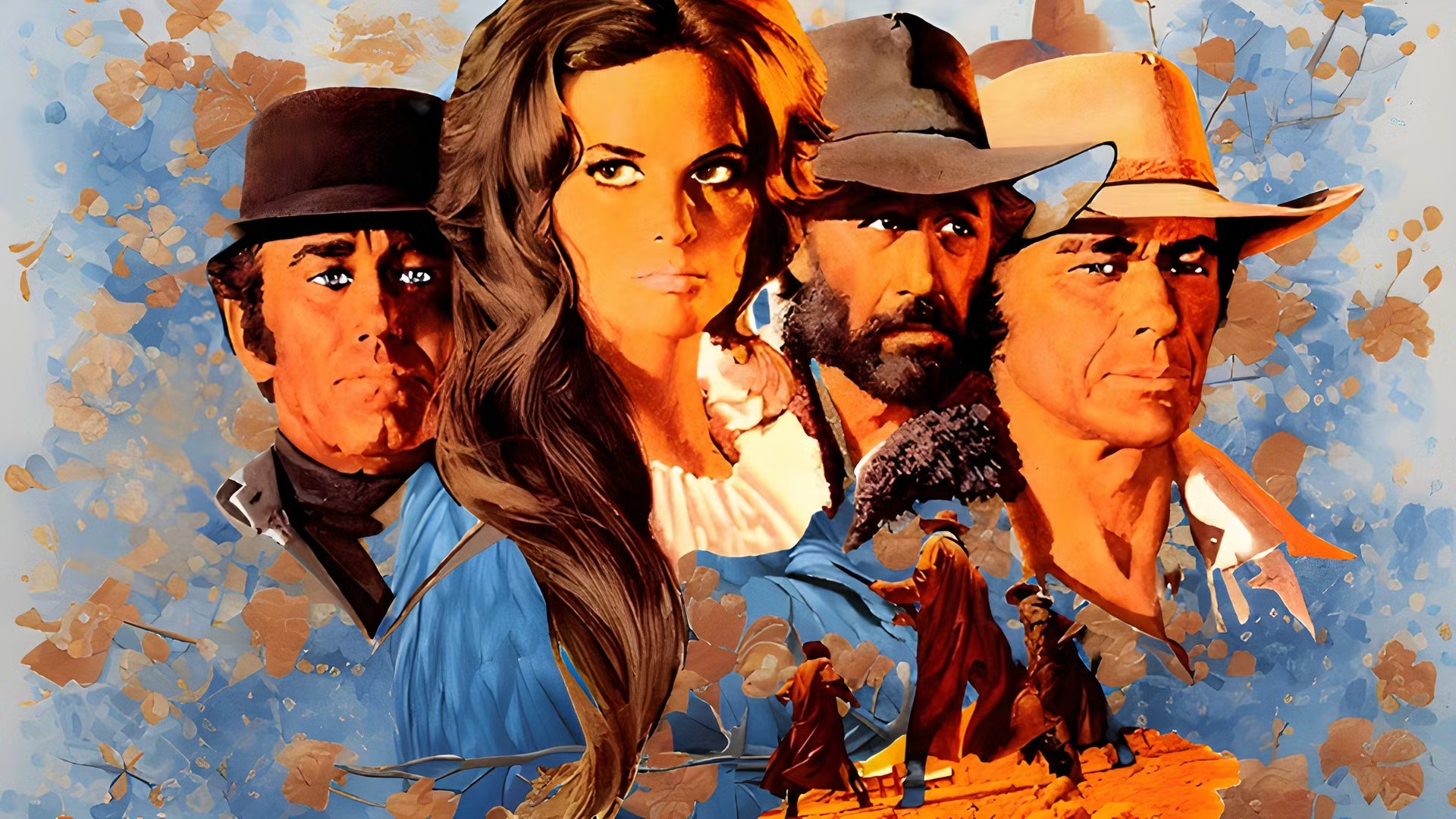
quebec-oui.org – “Once Upon a Time in the West” (1968) is a seminal spaghetti Western directed by Sergio Leone, known for its sweeping cinematography, iconic score, and profound storytelling. This film is a cornerstone of the Western genre, featuring an all-star cast including Henry Fonda, Charles Bronson, Claudia Cardinale, and Jason Robards. It stands out for its epic scale, complex characters, and a narrative that delves deep into the mythos of the American West.

Plot Overview

Set against the backdrop of the American frontier, “Once Upon a Time in the West” tells the story of a mysterious harmonica-playing stranger, portrayed by Charles Bronson, who teams up with a notorious outlaw, Cheyenne (Jason Robards), to protect a widow named Jill McBain (Claudia Cardinale) from a ruthless assassin, Frank (Henry Fonda). The film unfolds as a tale of revenge, betrayal, and the relentless march of progress symbolized by the expansion of the railroad.

Themes and Symbolism

The film explores themes of vengeance, the changing American landscape, and the end of an era. The central theme of progress versus tradition is embodied in the construction of the railroad, which signifies the inevitable transformation of the Wild West. This change is both a source of opportunity and a harbinger of the end for the gun-slinging outlaws who once ruled the frontier.

Sergio Leone masterfully uses symbolism to enrich the narrative. The character of Harmonica, with his haunting musical motif, represents the inexorable force of destiny, while the barren landscapes underscore the harshness and beauty of the frontier life. Frank, portrayed by Henry Fonda in a stark departure from his usual roles, symbolizes the corrupting influence of power and greed.

Iconic Performances

The performances in “Once Upon a Time in the West” are integral to its enduring appeal. Henry Fonda’s portrayal of Frank, a cold-blooded killer, is chilling and unforgettable, showcasing his versatility as an actor. Charles Bronson’s enigmatic performance as Harmonica adds depth to the film’s mysterious and suspenseful atmosphere. Claudia Cardinale delivers a strong performance as Jill McBain, a character who embodies resilience and hope in a brutal world.

Cinematic Techniques

Sergio Leone’s direction is marked by his distinctive style, characterized by long takes, close-up shots, and an emphasis on visual storytelling. The film’s pacing is deliberate, allowing tension and atmosphere to build with each scene. Ennio Morricone’s iconic score enhances the film’s emotional depth, with each character having a unique musical theme that underscores their role in the narrative.

The cinematography, by Tonino Delli Colli, captures the vastness of the American West, using wide shots to emphasize the isolation and grandeur of the landscape. Leone’s meticulous attention to detail in set design and costume further immerses the audience in the film’s historical setting.

Legacy and Influence

“Once Upon a Time in the West” is widely regarded as a masterpiece of the Western genre and has had a profound influence on filmmakers and the genre itself. Its innovative storytelling techniques and thematic complexity have inspired countless directors and films. The movie’s blend of operatic drama and gritty realism continues to resonate with audiences and critics alike.

The film’s impact extends beyond its genre, influencing a wide range of cinematic styles and narratives. Its exploration of timeless themes such as revenge, progress, and the human condition ensures its place as a classic in world cinema.

Conclusion

“Once Upon a Time in the West” (1968) is a landmark film that transcends the Western genre with its epic storytelling, iconic performances, and masterful direction. Sergio Leone’s vision, combined with Ennio Morricone’s unforgettable score, creates a cinematic experience that remains as powerful today as it was upon its release. The film’s exploration of the American frontier, both physical and moral, continues to captivate and inspire, solidifying its status as a timeless masterpiece.