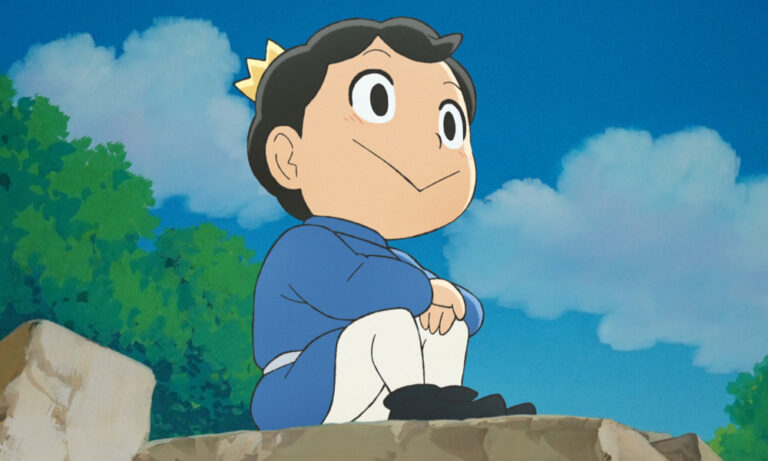
Ranking of Kings: A Tale of Courage & Perseverance

quebec-oui.org – Ranking of Kings (Ōsama Ranking) tells the heartwarming story of Bojji, a young prince who is deaf and physically weak. Despite his disabilities and the doubts of those around him, Bojji dreams of becoming the greatest king in the world. The series follows his journey as he overcomes adversity, learns from his experiences, and proves his worth through courage and kindness.   

Bojji: A Symbol of Resilience and Kindness

Bojji is a truly inspiring protagonist. Despite being mocked and underestimated due to his inability to speak or hear and his lack of physical strength, he possesses an incredibly kind heart and an unwavering determination. He communicates through sign language and facial expressions, conveying a range of emotions that resonate deeply with viewers. His journey is a testament to the power of perseverance and the importance of inner strength.   

A World of Kings and Rankings

The world of Ranking of Kings is built around a system where kings are ranked based on their achievements, strength, and the prosperity of their kingdoms. This ranking system adds a competitive element to the story, as Bojji strives to climb the ranks and prove himself worthy of the crown.   

Exploring Themes of Family, Friendship, and Overcoming Adversity

The series explores themes of family, friendship, and overcoming adversity with a heartwarming touch. Bojji’s relationship with Kage, a shadow creature who becomes his loyal companion and friend, is a central aspect of the story. The series also delves into the complexities of royal families and the challenges of leadership.   

A Visually Appealing and Emotionally Resonant Story

Ranking of Kings features a distinctive art style that is both charming and expressive. The animation is fluid and dynamic, bringing the characters and their emotions to life. The series is not afraid to explore darker themes, but it always balances them with moments of warmth, humor, and hope.   

A Must-Watch for All Ages

Ranking of Kings is a truly special anime that appeals to viewers of all ages. Its heartwarming story, inspiring characters, and beautiful animation make it a truly memorable experience. The series’ message about the importance of kindness, perseverance, and believing in oneself resonates deeply, making it a powerful and uplifting tale. It’s a story that reminds us that true strength comes not just from physical power, but from the strength of one’s heart and spirit.

Kal Ho Naa Ho: A Poignant Tale of Love, Friendship, & Life

quebec-oui.org – “Kal Ho Naa Ho,” directed by Nikkhil Advani and released in 2003, is a romantic drama that has touched the hearts of audiences with its emotional depth and memorable storytelling. Starring Shah Rukh Khan, Preity Zinta, and Saif Ali Khan, the film weaves a narrative of love, friendship, and the unpredictable nature of life. Set against the vibrant backdrop of New York City, “Kal Ho Naa Ho” offers a compelling exploration of relationships and the importance of living in the moment.

Plot Overview

The story revolves around Naina Catherine Kapur, played by Preity Zinta, a serious and introverted young woman dealing with family troubles and personal insecurities. Her life takes a turn when she meets Aman Mathur, portrayed by Shah Rukh Khan, an enigmatic and cheerful neighbor who brings joy and warmth to her world. Aman, however, harbors a secret that prevents him from confessing his love for Naina. Instead, he decides to play matchmaker, encouraging Naina to open her heart to her best friend, Rohit Patel, played by Saif Ali Khan.

Themes and Symbolism

“Kal Ho Naa Ho” explores themes of love, sacrifice, and the transient nature of life. The film emphasizes the importance of seizing the day and cherishing every moment, as life is unpredictable. Aman’s selfless love and his attempt to ensure Naina’s happiness, despite his own circumstances, highlight the depth of true friendship and love. The film also touches on themes of family, acceptance, and personal growth.

Cinematic Excellence

The film is celebrated for its engaging screenplay, heartfelt performances, and soulful music composed by Shankar-Ehsaan-Loy. Shah Rukh Khan’s portrayal of Aman is both charismatic and poignant, earning him acclaim for his nuanced performance. Preity Zinta and Saif Ali Khan deliver strong performances that add depth to their characters. The film’s soundtrack, featuring songs like “Kal Ho Naa Ho” and “Maahi Ve,” has become iconic, enhancing the emotional impact of the narrative.

Critical Acclaim and Legacy

“Kal Ho Naa Ho” was a commercial success and received critical acclaim for its direction, performances, and music. It resonated with audiences worldwide, becoming a beloved classic in Indian cinema. Its themes of love and living life to the fullest continue to inspire viewers, maintaining its relevance and appeal.

Conclusion

“Kal Ho Naa Ho” is a beautifully crafted film that captures the essence of love, friendship, and the fleeting nature of life. Its enduring impact lies in its ability to evoke a range of emotions while delivering a powerful message about embracing each day. With its memorable characters and heartfelt narrative, “Kal Ho Naa Ho” remains a cherished film that continues to resonate with audiences across generations.

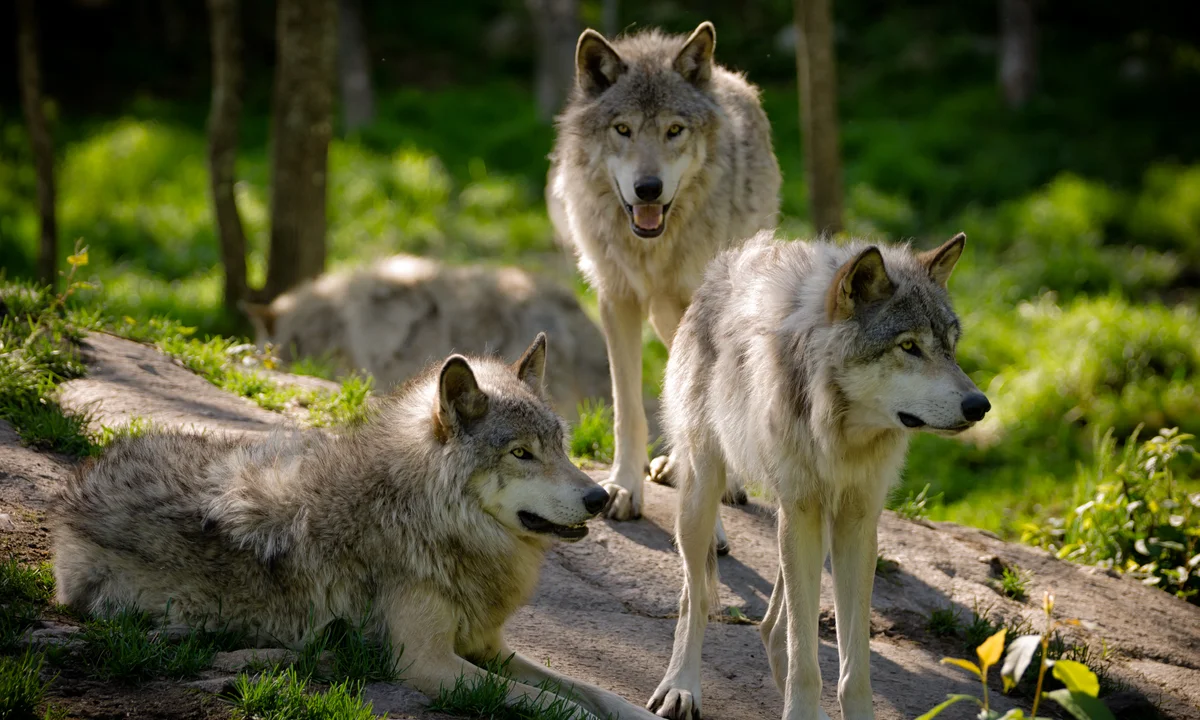
Life in the Northern Forest: Tales of the Timber Wolf

quebec-oui.org – The timber wolf, also known as the gray wolf (Canis lupus), is an iconic symbol of the wilderness, particularly in the vast and rugged landscapes of the northern forests. These majestic creatures have long fascinated humans with their intelligence, complex social structures, and hauntingly beautiful howls. This article explores the life of the timber wolf in its natural habitat, shedding light on its behaviors, social dynamics, and the challenges it faces.

Habitat and Range

Timber wolves are primarily found in the northern forests of North America, Europe, and Asia. They thrive in diverse environments, from dense boreal forests to open tundras, adapting to various climates and terrains. These wolves play a crucial role in maintaining the ecological balance of their habitats by regulating prey populations and promoting biodiversity.

Social Structure and Behavior

Timber wolves are highly social animals, living in packs that typically consist of a breeding pair, their offspring, and occasionally other adult wolves. The pack structure is hierarchical, with the alpha pair leading the group. This social organization is vital for hunting, raising pups, and defending territory.

Communication among wolves is sophisticated, involving vocalizations, body language, and scent markings. Their iconic howl serves multiple purposes, including coordinating pack activities, reinforcing social bonds, and marking territory boundaries.

Hunting and Diet

As apex predators, timber wolves primarily hunt large ungulates such as deer, moose, and caribou. They are highly skilled hunters, relying on teamwork and strategy to take down prey much larger than themselves. Wolves can cover vast distances in search of food, showcasing their endurance and adaptability.

In addition to large prey, wolves also consume smaller animals, carrion, and occasionally plant matter. This varied diet allows them to survive in different environments and adapt to seasonal changes in prey availability.

Challenges and Conservation

Timber wolves face numerous challenges, including habitat loss, human-wildlife conflict, and hunting. Historically, wolves have been persecuted due to fears and misconceptions, leading to significant population declines in many regions. However, conservation efforts have helped stabilize and, in some cases, increase wolf populations.

Protecting wolves involves preserving their natural habitats, promoting coexistence with human communities, and addressing threats such as illegal hunting and habitat fragmentation. Wolves are crucial to healthy ecosystems, and their conservation benefits the broader environment.

Cultural Significance

Throughout history, timber wolves have been both revered and feared by humans. They feature prominently in folklore and mythology, often symbolizing wilderness, freedom, and the untamed spirit. In many Indigenous cultures, wolves are seen as powerful spiritual guides and teachers, embodying qualities such as loyalty, strength, and perseverance.

Conclusion

The timber wolf’s life in the northern forest is a testament to nature’s resilience and complexity. As we learn more about these remarkable creatures, we gain a deeper appreciation for their role in the natural world and the intricate dynamics of their social structures. By understanding and protecting timber wolves, we can ensure that these tales of life in the northern forest continue to inspire and captivate future generations.