Fish in Myth and Legend: Symbolism and Stories

Fish, as creatures of the watery depths, have long fascinated humans, inspiring a rich tapestry of myths, legends, and symbolism across various cultures around the globe. These stories often reflect the relationship between people and their environment, as well as the spiritual and philosophical beliefs that have shaped human history. From the mighty oceans to the smallest streams, fish have played a significant role in the folklore and mythology of many civilizations.

Ancient Mesopotamia and the Goddess Atargatis

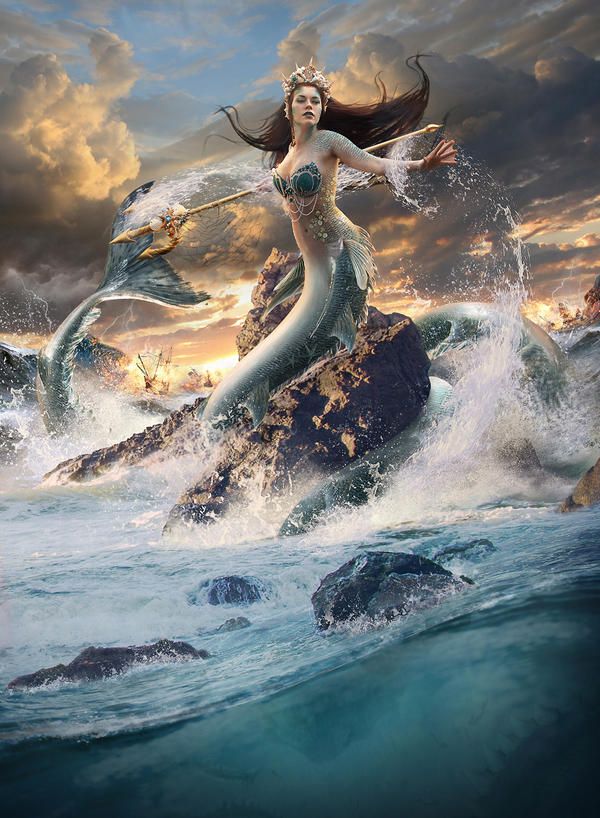
In ancient Mesopotamia, the goddess Atargatis was revered as a deity of fertility and water. According to legend, she fell in love with a mortal shepherd. Overwhelmed by her emotions, she killed her lover and, in despair, tried to take her own life. The gods, however, intervened and transformed her into a being with the upper body of a woman and the lower body of a fish. This myth highlights the themes of transformation, fertility, and the sacredness of water.

Egyptian Mythology and the Nile

The Nile River was the lifeblood of ancient Egypt, and its annual flooding was crucial for agriculture. The Egyptians worshipped several fish deities, including Hatmehyt, a warrior goddess represented as a fish, and Oxyrhynchus, a fish-god associated with the city of the same name. These deities were believed to bring prosperity and protection to their followers.

Greek Mythology and the Golden Fish

In Greek mythology, the story of Aphrodite and her son Eros (Cupid) transforming into fish to escape the monster Typhon is a tale of protection and escape. The two gods held onto each other with a ribbon as they swam, symbolizing their bond. This myth is commemorated in the zodiac sign Pisces, representing duality, adaptability, and the connection between the material and spiritual worlds.

Native American Traditions

Among the Native American tribes, fish often symbolize abundance, fertility, and the cycle of life. The Salmon people, for example, have stories that honor the salmon as a gift from the Creator, teaching respect for nature and the importance of living in harmony with the environment. These stories often involve the First Salmon ceremony, a ritual of thanksgiving and respect for the salmon’s sacrifice.

The Christian Fish Symbol

In Christianity, the fish has been a symbol of faith since the early days of the religion. The Greek word for fish, “ichthys” or “ichthus,” is an acronym for “Jesus Christ, Son of God, Savior.” Early Christians used the fish symbol to identify themselves to others in a time when their faith was persecuted. Today, the fish symbol remains a popular emblem of Christianity, representing baptism, abundance, and the feeding of the multitude.

Japanese Folklore and Koi Carp

In Japanese culture, the koi carp is a symbol of courage, perseverance, and good fortune. According to legend, a koi carp swam upstream and leaped over a waterfall, transforming into a dragon, a symbol of power and excellence. This story, known as “The Legend of the Koi and the Dragon,” encourages individuals to overcome obstacles and achieve their goals.

Conclusion

Fish in myth and legend are more than just aquatic creatures; they are symbols of deep cultural, spiritual, and philosophical significance. From the ancient civilizations of Mesopotamia and Egypt to the indigenous peoples of the Americas and the religious traditions of Christianity, fish have played a pivotal role in the stories that shape our understanding of the world. These myths and legends remind us of the interconnectedness of all life, the importance of respecting our environment, and the enduring power of storytelling to convey universal truths.
The Stories Behind Disney’s Princesses: Enchanted Legacies

Disney’s princesses have enchanted audiences for generations, their stories woven into the fabric of childhood memories and cultural iconography. Each princess, with her unique tale and character, represents a blend of fantasy, adventure, and romance that has captivated the hearts of millions. But behind these beloved characters lie rich legacies and stories that extend far beyond the silver screen. This article delves into the enchanted legacies of Disney’s princesses, exploring the origins of their tales, the cultural influences that shaped them, and the enduring impact they have had on audiences worldwide.

Snow White and the Seven Dwarfs (1937)

Snow White, the first Disney Princess, was introduced in 1937 with the film “Snow White and the Seven Dwarfs.” Her story is rooted in the Brothers Grimm fairy tale of the same name. The character of Snow White embodies innocence and kindness, qualities that were emphasized in Disney’s adaptation to appeal to a wide audience. The film’s success laid the groundwork for the Disney Princess franchise, introducing the world to the magic of animated storytelling.

Cinderella (1950)

Cinderella’s tale is one of the most enduring fairy tales, with versions dating back to ancient China and Greece. Disney’s “Cinderella” (1950) draws primarily from the French version by Charles Perrault. The story of a downtrodden girl who finds happiness through the magic of a fairy godmother and a prince’s love resonated with audiences, solidifying Cinderella’s place in the hearts of many. Her legacy is one of hope and the belief that kindness will ultimately be rewarded.

Sleeping Beauty (1959)

“Sleeping Beauty” (1959) is based on “The Sleeping Beauty” by Charles Perrault and “Little Briar Rose” by the Brothers Grimm. The story of Princess Aurora, cursed to sleep for a hundred years, is a tale of true love’s kiss and the battle between good and evil. Disney’s adaptation brought to life the lush animation and memorable score that have made it a classic. The film’s exploration of destiny and the power of love has left a lasting impact on the Disney Princess legacy.

The Little Mermaid (1989)

Ariel, the protagonist of “The Little Mermaid” (1989), is based on the story by Hans Christian Andersen. Disney’s version, however, diverges significantly from the original, offering a more optimistic ending. Ariel’s tale of longing, sacrifice, and love has struck a chord with audiences, making her one of the most beloved Disney Princesses. Her story is a testament to the power of following one’s heart and the importance of self-discovery.

Beauty and the Beast (1991)

“Beauty and the Beast” (1991) is inspired by the French fairy tale of the same name by Jeanne-Marie Leprince de Beaumont. Belle, the intelligent and compassionate heroine, teaches audiences about the importance of looking beyond appearances to find true beauty within. The film’s exploration of themes such as acceptance, transformation, and the power of love has earned it a special place in the hearts of many, and it remains one of Disney’s most beloved stories.

Mulan (1998)

Mulan’s story is unique among Disney Princesses, drawing from the Chinese legend of Hua Mulan. The film “Mulan” (1998) tells the tale of a young woman who disguises herself as a man to take her father’s place in the army. Mulan’s bravery, determination, and sense of duty challenge traditional Disney Princess narratives, offering a story of self-sacrifice and the pursuit of honor. Her legacy is one of empowerment and the celebration of cultural heritage.

Conclusion

The enchanted legacies of Disney’s princesses are as diverse as they are enduring. From Snow White’s innocence to Mulan’s bravery, each princess brings her own story and lessons to the screen. These characters have not only become cultural icons but also serve as beacons of hope, love, and empowerment for audiences around the world. As the Disney Princess franchise continues to evolve, these legacies will undoubtedly inspire new generations to dream big and believe in the magic of possibility.