Benefits and Exercises: Swimming for Health

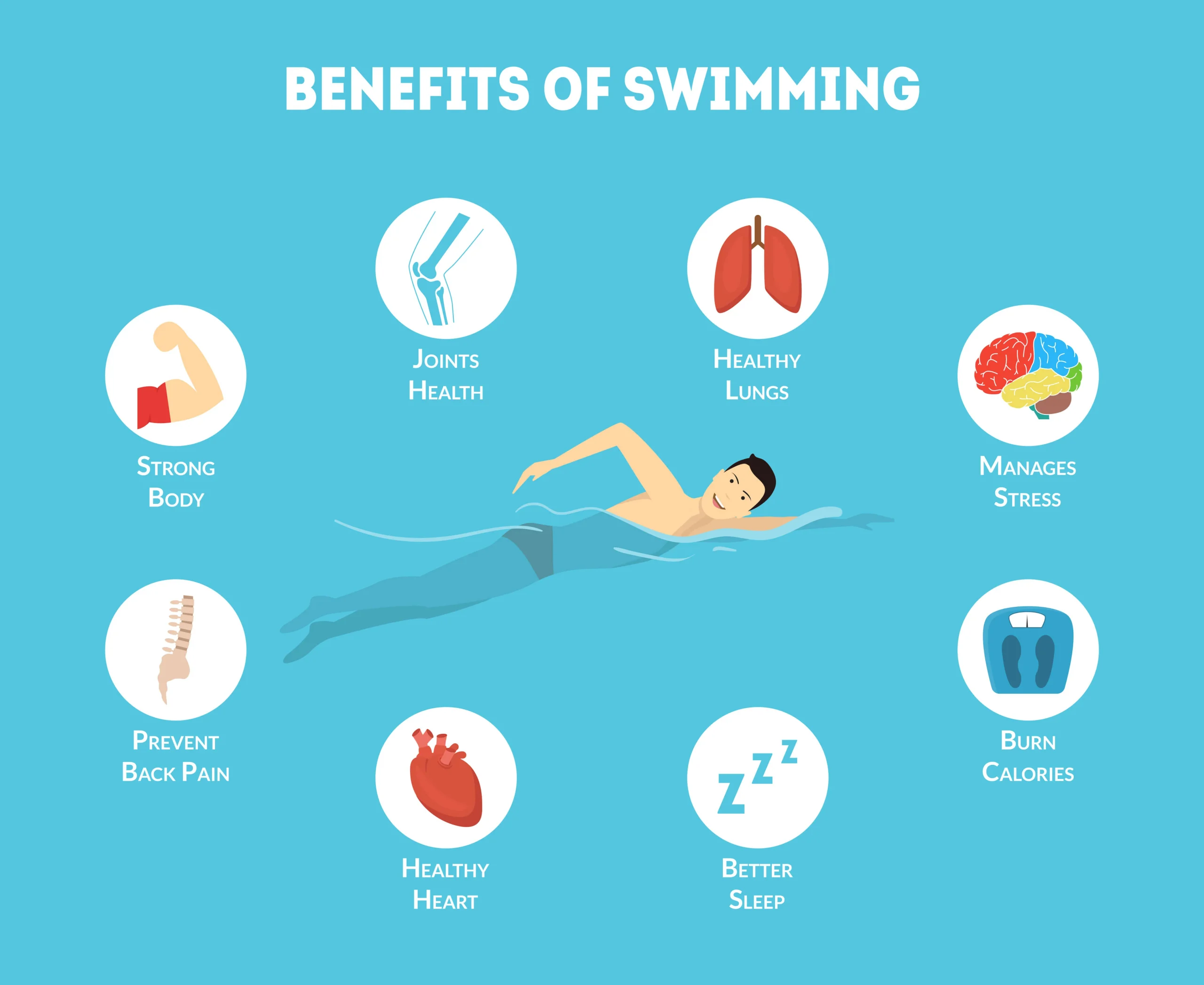
quebec-oui.org – Swimming is not only a popular recreational activity but also an excellent form of exercise that offers a wide range of health benefits. It is a low-impact, full-body workout that can improve cardiovascular health, muscle strength, flexibility, and mental well-being. Whether you’re looking to get in shape, recover from an injury, or simply enjoy the tranquility of being in the water, swimming is an ideal choice for people of all ages and fitness levels.

The Health Benefits of Swimming

Cardiovascular Health

Swimming is an outstanding cardiovascular workout that strengthens the heart and lungs, improves circulation, and enhances endurance. Regular swimming can lower the risk of heart disease and stroke by improving heart function and blood flow.

Muscle Strength and Tone

The natural resistance of water makes swimming an effective way to build and tone muscles throughout the body. It particularly targets the shoulders, back, chest, and core, helping to develop a strong and balanced physique.

Flexibility and Range of Motion

Swimming involves a wide range of motions that can increase flexibility and improve joint mobility. Regular practice can help maintain a full range of motion, reducing the risk of injuries and enhancing overall physical performance.

Mental Health

The rhythmic nature of swimming can have a calming effect on the mind, reducing stress and anxiety. It also stimulates the release of endorphins, the body’s natural mood elevators, which can improve mental health and overall well-being.

Weight Management

Swimming is an efficient way to burn calories and contribute to weight loss or maintenance. It engages multiple muscle groups simultaneously, making it a high-energy expenditure activity that can help manage body weight and composition.

Swimming Exercises for Optimal Health

Warm-Up Exercises

Before diving into a full workout, it’s essential to warm up your muscles and prepare your body for exercise.

  • Arm Circles: Rotate your arms in large circles to warm up your shoulders.
  • Leg Kicks: Stand with your back against the pool wall and kick your legs to warm up your lower body.
  • Easy Swimming: Start with a few laps of easy swimming to gradually increase your heart rate.

Cardiovascular Exercises

To maximize the cardiovascular benefits of swimming, incorporate the following exercises into your routine.

  • Freestyle Swimming: Swim at a moderate pace for 10-20 minutes to improve endurance.
  • Interval Training: Alternate between high-intensity sprints and low-intensity recovery swims to enhance cardiovascular fitness.
  • Kickboard Drills: Use a kickboard to perform leg-focused exercises, which also contribute to cardiovascular health.

Strength and Tone Exercises

For muscle strength and tone, focus on the following exercises.

  • Butterfly Stroke: This stroke targets the back, shoulders, and chest muscles.
  • Breaststroke: Focuses on the legs, glutes, and core while also providing a cardiovascular workout.
  • Backstroke: Strengthens the back muscles and improves posture.

Flexibility Exercises

To improve flexibility, incorporate these exercises into your swimming routine.

  • Static Stretching: Perform static stretches while in the water, holding each stretch for 20-30 seconds.
  • Dynamic Stretching: Engage in dynamic stretches such as arm and leg swings to maintain mobility and flexibility.

Cool Down Exercises

After your main workout, it’s important to cool down to help your body recover.

  • Easy Swimming: Swim at a slow pace for 5-10 minutes to gradually reduce your heart rate.
  • Stretching: Perform a series of stretches to relax your muscles and improve flexibility.

Conclusion

Swimming is a comprehensive exercise that offers numerous health benefits, from improving cardiovascular health and muscle strength to enhancing flexibility and mental well-being. By incorporating a variety of swimming exercises into your routine, you can achieve a balanced and effective workout that promotes overall health and fitness. Whether you’re a beginner or an experienced swimmer, swimming is an enjoyable and rewarding way to stay healthy and active.

Cutting-Edge Advances in Medicine: Health Innovations

The landscape of medicine is perpetually evolving, with each passing year bringing forth groundbreaking innovations that promise to revolutionize healthcare. From the development of new drugs and medical devices to the application of artificial intelligence (AI) and the advent of personalized medicine, the medical field is witnessing a renaissance of sorts. This article delves into some of the most exciting health innovations that are not only changing the way we approach healthcare but also offering hope for a healthier future.

1. CRISPR Gene Editing

One of the most significant breakthroughs in recent years is CRISPR-Cas9, a gene-editing technology that allows scientists to make precise changes to the DNA of living organisms. This technology has the potential to treat a wide range of genetic disorders, from cystic fibrosis to sickle cell anemia. Researchers are also exploring its use in preventing the transmission of genetic diseases from parents to children.

2. mRNA Vaccines

The COVID-19 pandemic has been a stark reminder of the importance of vaccines in public health. The development of mRNA vaccines, such as those produced by Pfizer-BioNTech and Moderna, represents a new era in vaccine technology. Unlike traditional vaccines, mRNA vaccines use a snippet of the virus’s genetic code to teach our cells how to make a protein that triggers an immune response. This technology is not only more rapid to develop but also highly adaptable, offering promise for future pandemics and other diseases.

3. Artificial Intelligence in Diagnostics

AI is transforming the field of diagnostics, with algorithms capable of analyzing medical images and data at a speed and accuracy that surpass human capabilities. AI-powered tools can detect diseases such as cancer at earlier stages, leading to more effective treatments and better patient outcomes. Moreover, AI is being used to predict patient responses to treatments, personalizing medicine and improving efficacy.

4. Wearable Health Technology

Wearable devices, such as smartwatches and fitness trackers, are increasingly becoming part of our daily lives. These devices can monitor vital signs, physical activity, and sleep patterns, providing valuable data for both individuals and healthcare providers. The insights gained from wearable technology can help in the early detection of health issues and the management of chronic conditions.

5. Telemedicine and Remote Monitoring

The COVID-19 pandemic has accelerated the adoption of telemedicine, making healthcare more accessible and convenient. Through video consultations and remote monitoring, patients can receive medical care without the need for in-person visits, especially beneficial for those in remote areas or with mobility issues. This trend is expected to continue, with advancements in technology making telemedicine more efficient and comprehensive.

6. Regenerative Medicine

Regenerative medicine, including stem cell therapy and tissue engineering, holds the promise of repairing, improving, or replacing damaged tissues and organs. This field is making significant strides, with clinical trials showing promise in treating conditions such as heart disease, degenerative discs, and knee arthritis. The potential of regenerative medicine to restore function and improve quality of life is immense.

7. Personalized Medicine

Advances in genomics and biotechnology are paving the way for personalized medicine, where treatments are tailored to the individual’s genetic makeup. This approach can lead to more effective therapies with fewer side effects, as treatments are designed based on the patient’s unique genetic profile. Personalized medicine is particularly promising in oncology, where it can help in selecting the most effective cancer treatments for individual patients.

Conclusion

The cutting-edge advances in medicine discussed above are just the tip of the iceberg. The future of healthcare is bright, with ongoing research and development promising even more revolutionary innovations. As we continue to push the boundaries of what’s possible, the hope is that these health innovations will lead to better health outcomes, longer lifespans, and an improved quality of life for people around the world. The journey towards a healthier future is well underway, and the possibilities are endless.