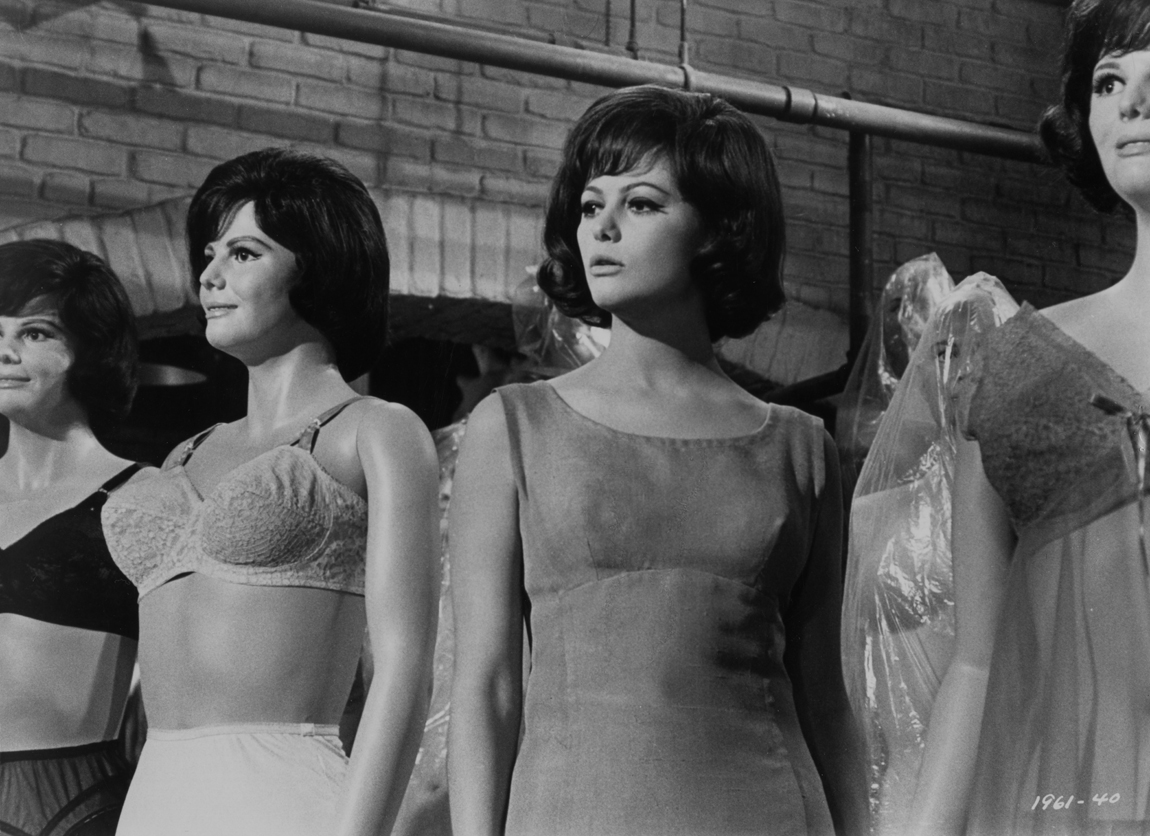
Blindfold (1965): A Blend of Espionage and Comedy

quebec-oui.org – “Blindfold” is a 1965 American film directed by Philip Dunne, featuring a unique mix of romantic comedy and spy thriller elements. Starring Rock Hudson and Claudia Cardinale, the film offers a light-hearted take on the espionage genre, set against the backdrop of Cold War tensions.

Plot Overview

The film centers on Dr. Bartholomew Snow, a New York psychiatrist, who is unwittingly drawn into a world of espionage. He is approached by government agents to help locate a missing scientist, Arthur Vincenti, who is a former patient of his. The twist comes when Dr. Snow is blindfolded each time he is taken to the scientist’s secret location, leading to a series of comedic and suspenseful situations.

Characters and Performances

  • Rock Hudson as Dr. Bartholomew Snow: Hudson brings his characteristic charm and comedic timing to the role, balancing the film’s mix of humor and intrigue.
  • Claudia Cardinale as Vicky Vincenti: Cardinale plays Vicky, the scientist’s sister, who adds a romantic angle to the story and complements Hudson’s performance with her spirited portrayal.
  • Supporting Cast: The film features a strong supporting cast, including Jack Warden and Alejandro Rey, who contribute to the film’s dynamic narrative.

Direction and Cinematography

Philip Dunne’s direction skillfully blends comedy and suspense, creating a film that is both entertaining and engaging. The cinematography captures the vibrant and varied settings, from bustling New York City to mysterious remote locations, enhancing the film’s adventurous feel.

Themes and Style

“Blindfold” explores themes of trust, deception, and the absurdity of Cold War paranoia, wrapped in a comedic package. The film’s style is characterized by its playful tone and clever dialogue, making it a distinctive entry in the spy comedy genre.

Reception and Legacy

Upon its release, “Blindfold” was appreciated for its witty script and the chemistry between its leads. Though not a major box office hit, it remains a charming example of 1960s cinema, notable for its blend of genres and charismatic performances.

Conclusion

“Blindfold” stands out as a unique film that combines elements of comedy and espionage, offering audiences an entertaining escape into the whimsical side of spy adventures. Its legacy endures as a testament to the creativity and versatility of its cast and crew.

Operations: A Glimpse into the Covert World of Espionage

quebec-oui.org – In the clandestine world of espionage, undercover operations are the silent battles fought by unseen warriors. These operations, often shrouded in secrecy, are critical to national security, intelligence gathering, and the prevention of criminal activities. The agents who engage in these missions are the unsung heroes of the intelligence community, operating under the radar to protect the greater good.

The Art of Deception

At the heart of undercover operations is the art of deception. Agents must master the ability to assume false identities, blend into different environments, and maintain their cover stories without arousing suspicion. This involves meticulous planning, psychological resilience, and a deep understanding of human behavior. The success of an undercover mission often hinges on the agent’s ability to deceive without being detected.

The Risks and Rewards

Undercover work is fraught with risks. Agents frequently operate in hostile environments, where the threat of exposure can lead to dire consequences. The psychological toll is also significant, as maintaining a double life can lead to isolation and stress. Despite these risks, the rewards of undercover operations can be substantial, including the prevention of terrorist attacks, the disruption of criminal networks, and the protection of sensitive information.

Technological Advancements in Espionage

The landscape of undercover operations has evolved with technological advancements. Surveillance tools, encrypted communications, and digital disguises have become integral to modern espionage. These technologies enable agents to gather intelligence more efficiently and to operate with greater stealth. However, they also present new challenges, as adversaries develop countermeasures and the digital footprint of operations becomes harder to conceal.

The Ethical Dilemmas

Undercover operations raise ethical questions about privacy, entrapment, and the means justified by the end. Agents may be required to engage in morally ambiguous activities to maintain their cover or gather intelligence. The intelligence community must navigate these dilemmas, ensuring that the pursuit of security does not come at the expense of fundamental ethical principles.

The Future of Undercover Espionage

As the world becomes increasingly interconnected and digital, the nature of undercover operations continues to transform. Cybersecurity, social media surveillance, and the use of artificial intelligence are emerging as new frontiers in the covert world. The future of espionage will likely see a blend of traditional undercover tactics with cutting-edge technology, as agents adapt to the ever-changing landscape of threats and opportunities.

In conclusion, undercover operations are a vital component of the intelligence ecosystem, requiring skill, courage, and a commitment to the cause. While the public may never know the full extent of their contributions, the silent warriors of the shadows play a crucial role in safeguarding our world from unseen dangers.