Kal Ho Naa Ho: A Poignant Tale of Love, Friendship, & Life

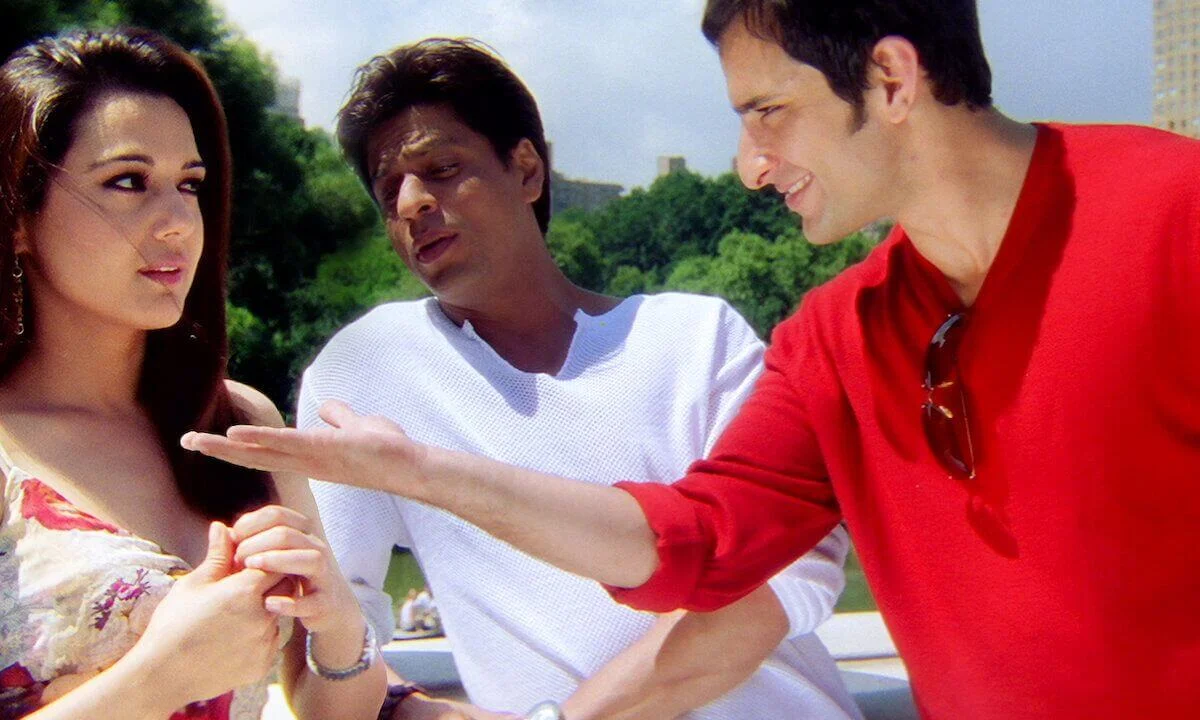
quebec-oui.org – “Kal Ho Naa Ho,” directed by Nikkhil Advani and released in 2003, is a romantic drama that has touched the hearts of audiences with its emotional depth and memorable storytelling. Starring Shah Rukh Khan, Preity Zinta, and Saif Ali Khan, the film weaves a narrative of love, friendship, and the unpredictable nature of life. Set against the vibrant backdrop of New York City, “Kal Ho Naa Ho” offers a compelling exploration of relationships and the importance of living in the moment.

Plot Overview

The story revolves around Naina Catherine Kapur, played by Preity Zinta, a serious and introverted young woman dealing with family troubles and personal insecurities. Her life takes a turn when she meets Aman Mathur, portrayed by Shah Rukh Khan, an enigmatic and cheerful neighbor who brings joy and warmth to her world. Aman, however, harbors a secret that prevents him from confessing his love for Naina. Instead, he decides to play matchmaker, encouraging Naina to open her heart to her best friend, Rohit Patel, played by Saif Ali Khan.

Themes and Symbolism

“Kal Ho Naa Ho” explores themes of love, sacrifice, and the transient nature of life. The film emphasizes the importance of seizing the day and cherishing every moment, as life is unpredictable. Aman’s selfless love and his attempt to ensure Naina’s happiness, despite his own circumstances, highlight the depth of true friendship and love. The film also touches on themes of family, acceptance, and personal growth.

Cinematic Excellence

The film is celebrated for its engaging screenplay, heartfelt performances, and soulful music composed by Shankar-Ehsaan-Loy. Shah Rukh Khan’s portrayal of Aman is both charismatic and poignant, earning him acclaim for his nuanced performance. Preity Zinta and Saif Ali Khan deliver strong performances that add depth to their characters. The film’s soundtrack, featuring songs like “Kal Ho Naa Ho” and “Maahi Ve,” has become iconic, enhancing the emotional impact of the narrative.

Critical Acclaim and Legacy

“Kal Ho Naa Ho” was a commercial success and received critical acclaim for its direction, performances, and music. It resonated with audiences worldwide, becoming a beloved classic in Indian cinema. Its themes of love and living life to the fullest continue to inspire viewers, maintaining its relevance and appeal.

Conclusion

“Kal Ho Naa Ho” is a beautifully crafted film that captures the essence of love, friendship, and the fleeting nature of life. Its enduring impact lies in its ability to evoke a range of emotions while delivering a powerful message about embracing each day. With its memorable characters and heartfelt narrative, “Kal Ho Naa Ho” remains a cherished film that continues to resonate with audiences across generations.

A Journey Through Ages: The Time Traveler’s Quest

quebec-oui.org – Imagine stepping out of your present and into the past or future, exploring eras untouched by modernity or witnessing the evolution of human civilization firsthand. This is the premise of “The Time Traveler’s Quest: A Journey Through Ages,” a thrilling narrative that delves into the possibilities and perils of time travel. Through the eyes of our protagonist, we embark on a journey that transcends time itself, uncovering secrets, solving mysteries, and navigating the complexities of history and the future.

The Quest Begins

Our story unfolds with the discovery of a mysterious artifact, an ancient device rumored to possess the power to manipulate time. The protagonist, a curious and adventurous soul, becomes the keeper of this artifact and with it, the responsibility to use its power wisely. The quest begins with a simple desire to explore, but soon evolves into a mission to prevent catastrophic events and ensure the continuity of time.

Navigating the Past

The first leg of the journey takes us to the past, where history is not just a series of dates and events but a living, breathing world. From the bustling streets of ancient Rome to the serene beauty of the Renaissance, our protagonist experiences firsthand the grandeur and hardships of bygone eras. Along the way, they must navigate the dangers of altering the past, understanding that even the slightest change could have ripple effects on the future.

Encounters with the Future

Contrasting the past, the future is a realm of possibilities and uncertainties. Our protagonist ventures into a world where technology has advanced beyond imagination, where societies have evolved in ways both utopian and dystopian. Here, the challenge is not just to survive but to understand the implications of progress and the importance of preserving the essence of humanity amidst rapid change.

The Paradoxes of Time

As the journey progresses, the protagonist encounters the paradoxes of time travel, facing moral dilemmas and the consequences of their actions. They learn that time is not a linear path but a complex web of cause and effect, where every decision has the potential to alter the fabric of reality. The protagonist must grapple with the question of free will versus destiny, and the ethical implications of their quest.

The Return

The final chapter of the journey brings our protagonist back to their own time, forever changed by their experiences. They return with knowledge that could change the world but also with the understanding that some truths are best left untold. The artifact, now deemed too powerful to exist in the wrong hands, is hidden away, leaving the protagonist to ponder the nature of time and the responsibility that comes with its manipulation.

Conclusion

“The Time Traveler’s Quest: A Journey Through Ages” is more than a tale of adventure; it is a philosophical exploration of time, history, and the human condition. It challenges us to consider the consequences of our actions, the importance of preserving the past, and the potential of the future. Through the protagonist’s journey, we are reminded that while time may be a river that flows endlessly, it is also a delicate thread that binds us all.